Grilled Boneless Leg of Lamb: How I Grill It Perfectly

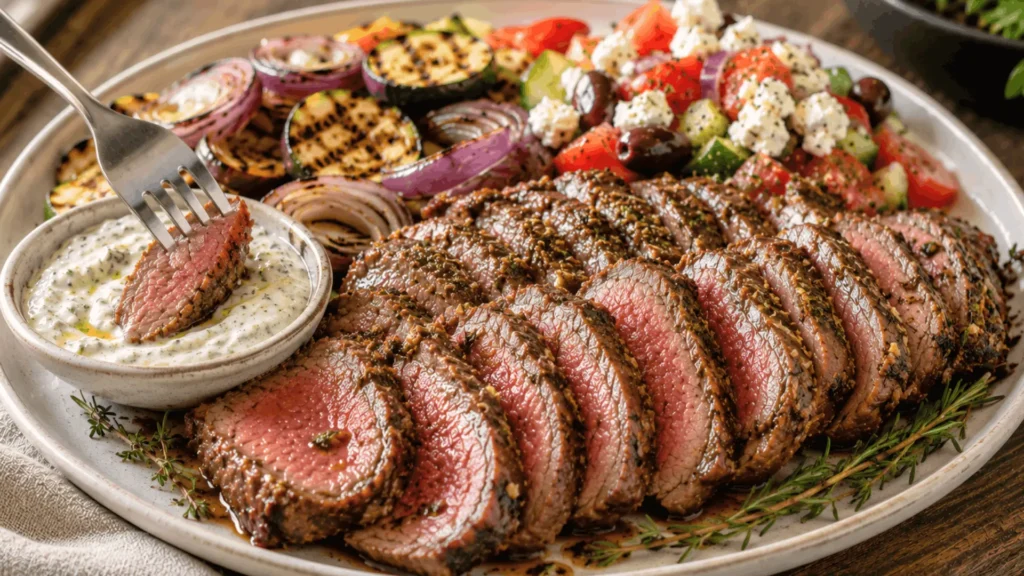
Grilled Boneless Leg of Lamb may seem easy to grill, but in reality, grilling it can be a bit of a hassle. Without bones, there’s no guide to cooking it evenly. Some parts are thick, others thin. So if you don’t prepare it properly, it won’t cook uniformly. If you tie it correctly and cook it at the right temperature, it’s one of the easiest cuts for feeding a crowd on the grill. A slight mistake and the outside will dry out while the inside stays raw.
In this guide, I’ll walk you through every step. You’ll learn how to prepare a rolled boneless leg, make a garlic herb marinade, set up a two-zone grill, and ensure the correct lamb internal temperature every time! No guesswork. Just the right numbers and a method that works on both gas and charcoal grills.
- What Is a Boneless Leg of Lamb?
- Why You'll Love This Grilled Boneless Leg of Lamb Recipe
- What I Learned Testing This Recipe
- Recipe Snapshot
- Ingredients You'll Need
- How to Prepare a Boneless Leg of Lamb for Grilling
- How to Marinate Boneless Leg of Lamb
- Equipment List
- Step-by-Step: How to Grill Boneless Leg of Lamb
- How to Grill Boneless Leg of Lamb on a Gas Grill
- How to Grill Boneless Leg of Lamb on a Charcoal Grill
- Grilled Boneless Leg of Lamb Cooking Time and Temperature
- Expert Tips for Perfect Grilled Boneless Leg of Lamb
- Flavor Variations for Grilled Boneless Leg of Lamb
- What to Serve With Grilled Boneless Leg of Lamb
- Storage and Reheating Tips
- Common Mistakes to Avoid When Grilling Boneless Leg of Lamb
- Nutrition Information
- Health Benefits of Boneless Leg of Lamb
- FAQs About Grilled Boneless Leg of Lamb
- Final Thoughts
What Is a Boneless Leg of Lamb?
Boneless leg of lamb is a type of meat from which the bone has been removed. It is then rolled and tied to create a neat roast. To maintain its shape, it is usually wrapped and packed in netting. Because there is no bone, this cut is easy to carve and cooks faster than a bone-in leg.
What Makes Boneless Leg of Lamb Different?
Cooking a bone-in leg draws heat inward, helping the meat cook evenly. Without the bone, a boneless leg doesn’t have this advantage. Also, when you unroll the meat, it doesn’t hold its shape. As a result, the roast is thick in some spots and thin in others. That’s why it’s very important to tie the meat securely before grilling.
Boneless vs. Bone-In Leg of Lamb
A bone-in leg can hold its temperature well. Even if the cooking time varies a bit, the leg can easily handle that. A boneless leg cooks quickly. Once it’s cooked, it can be easily carved and served. If you want to serve it in the traditional way and don’t mind carving around the bone, choose the bone-in leg. And if you want quick cooking and easy serving, the boneless leg is best. For a detailed comparison, see our Grilled Leg of Lamb guide.
Boneless vs. Butterflied Leg of Lamb
Butterflied legs aren’t rolled. Instead, they’re opened flat like a butterfly. Because more of the surface is in direct contact with the grill, they cook faster than the other two. The boneless roast retains its round shape, so it takes a bit longer to cook than a butterflied leg. However, it yields the traditional round slices of lamb. See the full analysis in our Butterflied Leg of Lamb recipe.
Why You’ll Love This Grilled Boneless Leg of Lamb Recipe
This recipe earns its spot in your grilling rotation for a few reasons:
- It’s easy to prep once you know the tying step
- There’s no bone to navigate when slicing, so serving is fast
- One roast feeds a crowd without much effort
- It works on gas or charcoal without changing the method
- The garlic herb marinade is simple and holds up well overnight
- Two-zone grilling gives you a browned crust and a juicy center in the same cook
What I Learned Testing This Recipe
The first time I grilled a boneless leg, I thought it’d cook just like a bone-in leg, only a bit faster. But I was wrong. The outside was overcooked before the internal temperature reached the target. You can’t just rely on the clock to take it off the grill. Because of the shape of a rolled roast, the outside cooks before the inside.
The real change for me came when I started using a two-zone grill and cooking the lamb by temperature instead of by time. I seared it directly over direct heat, then finished it in indirect heat. The result was a crispy exterior and a tender, juicy interior. I also realized that tying the roast evenly is more important than I thought. A loosely tied section cooks faster than a tightly tied one. Otherwise, the roast will lose its shape.
My husband has tried every recipe that’s come out of this kitchen. He said that compared to all previous attempts, the meat from this recipe carves more cleanly and is juicier. There were two things I changed: tie it up a touch tighter, and pull it off the grill five degrees before the target temperature. Because even after taking it off the grill, its temperature keeps climbing!
Recipe Snapshot
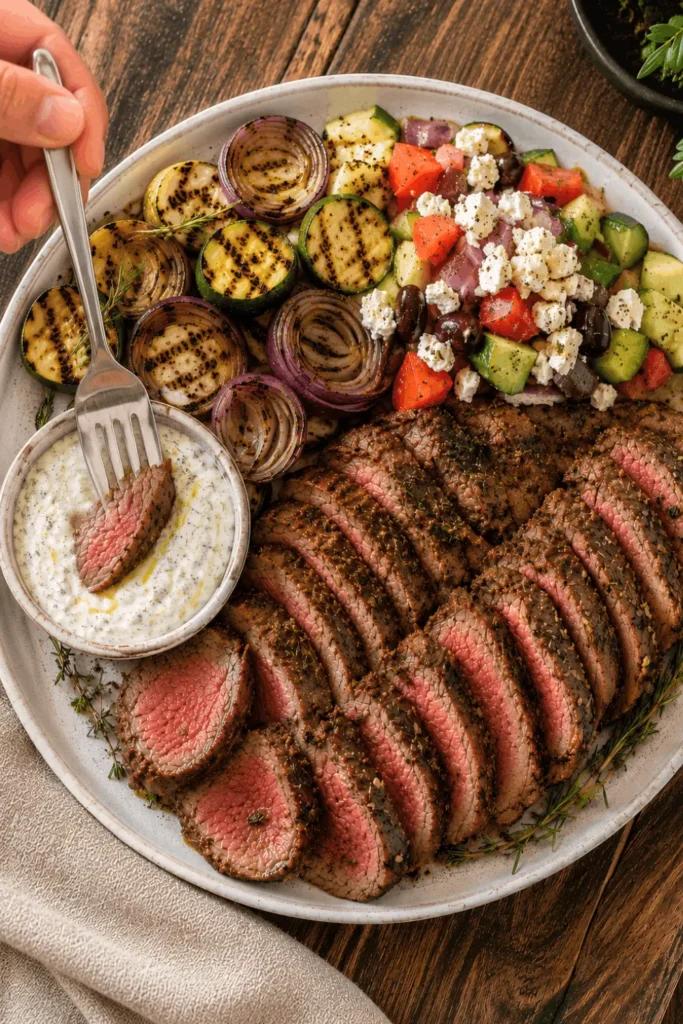
Grilled Boneless Leg of Lamb
Ingredients You’ll Need
For the Boneless Leg of Lamb
- 1 boneless leg of lamb (4 to 5 lbs), netted or tied
- 2 tablespoons olive oil
- 1 tablespoon kosher salt
- 1 teaspoon freshly ground black pepper
Garlic Herb Marinade
- 6 garlic cloves, minced
- 3 tablespoons fresh rosemary, chopped
- 2 tablespoons fresh thyme, chopped
- ¼ cup olive oil
- 2 tablespoons fresh lemon juice
- 1 teaspoon kosher salt
- ½ teaspoon black pepper
How to Prepare a Boneless Leg of Lamb for Grilling
This step gets skipped in most recipes. Yet whether your roast cooks evenly depends on this step.
1. Check the netting.
Leave the netting in place until you’re ready to season the lamb. This will help keep the roast’s shape during transport and initial preparation. Remove the netting just before marinating, and not before.
2. Trim the fat and silver skin.
Trim the fat layer down to about 1/4 inch. Thicker fat takes longer to render, resulting in a greasy layer instead of a crispy one. Also, remove any silver skin. It won’t break down on the grill; if you leave it on, it’ll be tough to chew.
3. Tie the lamb for even cooking.
Untie the roasting netting and lay the roast out flat. Then measure the thickness of the entire roast. Fold the thinner sections underneath to even it out. Tie it with kitchen twine every 1-1.5 inches. Tying it firmly and evenly ensures one side of the roast doesn’t cook before the other.
4. Bring it to room temperature.
Take the lamb out of the fridge about 30–45 minutes before cooking. If it’s still cold inside, it will take longer to cook, and the meat won’t cook evenly.
5. Pat it dry before grilling.
After marinating, pat the meat thoroughly dry with a paper towel. Wet meat won’t sear properly; instead, it steams. Patting it dry is how you’ll get a nice crust.
How to Marinate Boneless Leg of Lamb
1. Make the garlic herb marinade.
In a bowl, combine olive oil, garlic, rosemary, thyme, lemon juice, lemon zest, Dijon mustard, salt, and pepper, and mix well. Why does it work? The lemon acid tenderizes the outside of the meat, and the oil helps carry the garlic and herb flavors into the meat.
2. Marinate for 4 to 12 hours.
There’s no need to marinate lamb for more than 12 hours. Past that point, the acid keeps building flavor, but it also starts to change the meat’s outer texture.
3. Use a resealable bag.
Evenly coat the roast’s tied folds with the marinade. If you have time, turn the bag once or twice.
4. Overnight works fine.
It’s usually easier to prepare the marinade ahead of time over the weekend than on the same day. Keep the marinating time to about 12 hours. Don’t go past that.
Equipment List
- Gas or charcoal grill
- Instant-read thermometer
- Tongs
- Cutting board
- Butcher’s twine
- Small bowl for the marinade
- Grill brush
Step-by-Step: How to Grill Boneless Leg of Lamb
Step 1: Room Temperature
Let the lamb sit out for 30 to 45 minutes before grilling. If it’s cold inside, it will take longer to cook through, and that will throw off your timing at the last minute.
Step 2: Remove From Marinade
Take the lamb out of the bag and let it sit for a few seconds so the excess marinade can drip off. Do not rinse it. The garlic and herbs still clinging to it will help form a beautiful crust.
Step 3: Pat Dry
Gently press the entire surface of the meat with a paper towel. Don’t wipe it. This is how you’ll develop a proper crust, because a dry surface sears instead of steaming.
Step 4: Tie It Up
Leave the twine at even intervals (1″–1.5″) and tie it tightly. If any part feels loose, retie it. Loosely tied sections cook faster than tightly tied ones, so the meat will look uneven on the plate afterward.
Step 5: Set Up Two Zones
Create one hot zone and one cool zone. On a gas grill, turn on half the burners and leave the other half off. On a charcoal grill, pile the hot coals on one side and leave the other side empty.
Step 6: Preheat
Preheat the direct heat side to about 450°F. The real trick to a fast and even sear is a hot grate.
Step 7: Sear Over Direct Heat
Grill directly over the heat for about 2 minutes, until browned. Using tongs, flip and grill for 3 to 4 minutes on each side. The inside won’t be cooked yet, so don’t rush this step.
Step 8: Move to Indirect Heat
Now cook over indirect heat. Place the roast on the cool side and cover it. Cook at about 325°F. This way, the interior will cook slowly as well.
Step 9: Check the Temperature
After 30 minutes, check the temperature every 10 minutes. Insert the thermometer into the thickest part of the roast. However, do not insert it into the fatty part or the twine, as this can give a higher or lower reading than the roast’s true temperature.
Step 10: Pull and Rest
Remove the lamb from the grill when it’s 5°F below the desired temperature. Loosely cover it with foil and let it rest for 15 minutes. The meat will continue to cook during this time, so taking it off a bit early will ensure it reaches the exact desired temperature in the end.
Step 11: Slice Against the Grain
Remove the twine and slice the meat thinly against the grain. An easy way to keep lamb tender is to cut against the grain rather than with it.
How to Grill Boneless Leg of Lamb on a Gas Grill
Setting Up a Two-Zone Gas Grill
Keep only half of the burners lit. This will give you a separate area for searing over direct heat and finishing the cooking over indirect heat.
Grilling Boneless Leg of Lamb With the Lid Closed
Keep the grill with the lid closed while cooking over indirect heat. Opening the lid lets heat escape. The food takes longer to cook, but it doesn’t turn out well.
Managing Flare-Ups on a Gas Grill
Keep the roast away from flare-ups. Do not close the grill vents. The more fat you trim, the fewer flare-ups you’ll get. So the key step is to trim the fat.
How to Grill Boneless Leg of Lamb on a Charcoal Grill
Setting Up Direct and Indirect Heat
Place hot coals on one side of the grill. Leave the other side empty. Sear the meat on the hot side, then move it to the cool side and let it roast until fully cooked.
Adding Wood for Extra Smoke Flavor
Place a piece of oak or apple wood on the charcoal. It will impart a light smoky flavor. Combined with the garlic herb marinade, this flavor won’t overpower the lamb.
Managing Charcoal Temperature
Adjust the lower vent to control the airflow. The more open the vent, the hotter the grill will get. The less open it is, the cooler it will get. Instead of watching how fast the coals are burning, focus on how well the roast is cooking.
Grilled Boneless Leg of Lamb Cooking Time and Temperature
Getting the timing right depends more on temperature checks than the clock. Here’s what to expect and why.
Internal Temperature for Boneless Leg of Lamb
| Doneness | Pull Temperature | Final Temperature |
|---|---|---|
| Rare | 120°F | 125°F |
| Medium-Rare | 130°F | 135°F |
| Medium | 140°F | 145°F |
| Medium-Well | 150°F | 155°F |
| Well Done | 160°F | 165°F |
Pull temperatures sit below your final target because carryover cooking raises the internal temperature another 5 degrees while the roast rests.
How Long Does It Take to Grill a Boneless Leg of Lamb?
A 4 to 5 pound boneless leg takes about 45 to 70 minutes total, including the sear. Actual time depends on how tightly it’s tied and how consistent your grill temperature stays.
Boneless Leg of Lamb Cooking Time by Weight
| Weight | Approximate Grill Time (Medium-Rare) |
|---|---|
| 3 to 4 lbs | 40 to 50 minutes |
| 4 to 5 lbs | 45 to 60 minutes |
| 5 to 6 lbs | 55 to 70 minutes |
| 6 to 7 lbs | 65 to 80 minutes |
Why Internal Temperature Matters More Than Cooking Time
A rolled roast’s shape and tightness change how heat moves through it. Two roasts of the same weight can finish at different times if one is tied tighter than the other. Grill temperature swings, wind, and outdoor temperature all shift the clock too. A thermometer removes the guesswork that a timer can’t account for.
Expert Tips for Perfect Grilled Boneless Leg of Lamb
- Don’t rely only on cooking time. Pull by temperature every time.
- Use an instant-read thermometer, checked in the thickest part.
- Tie uneven portions snugly so no section cooks faster than the rest.
- Don’t skip the rest. It sets the juices and finishes the cook.
- Keep the grill lid closed during the indirect phase.
- Watch for flare-ups and move the roast rather than fighting the flame.
- Don’t overcook the leaner sections; they dry out faster than the thicker center.
- Slice against the grain for the most tender bite.
Flavor Variations for Grilled Boneless Leg of Lamb
- Honey garlic glaze: Brush on a mix of honey, garlic, and olive oil in the last few minutes on the grill for a lightly sweet, sticky finish.
- Garlic herb (base recipe): Rosemary, thyme, and garlic, the marinade used throughout this recipe.
- Mediterranean red wine and oregano: Oregano, a splash of red wine vinegar, and a pinch of crushed red pepper stirred into the base marinade.
- Lemon rosemary, no mustard: Double the lemon zest and rosemary, and skip the Dijon for a brighter, simpler flavor.
- Spicy garlic harissa: Smoked paprika, cayenne, and a spoonful of harissa added to the base marinade for heat with real depth.
- Dijon and thyme crust: Extra Dijon mustard pressed into the surface after searing, then finished with fresh thyme for a sharper, herbier crust.
What to Serve With Grilled Boneless Leg of Lamb
- Dip or topping: Our CAVA crazy feta makes a great addition if you’re serving the lamb as part of a Mediterranean spread.
- Grilled vegetables: Zucchini, bell peppers, and red onion all grill in the time it takes the lamb to rest.
- Potatoes and hearty sides: Roasted fingerling potatoes or a warm couscous both hold up well next to the richness of lamb.
- Fresh salad: A Greek salad with cucumber, tomato, and feta cuts through the richness nicely.
- Sauce: Mint sauce, tzatziki, or chimichurri all pair naturally with grilled lamb. Our CAVA garlic dressing works just as well if you want something creamier and garlic-forward.
Storage and Reheating Tips
How to Store Leftover Grilled Boneless Leg of Lamb
- Store sliced lamb in an airtight container in the fridge for up to 4 days
- For longer storage, freeze slices in a freezer bag for up to 3 months
How to Reheat Boneless Leg of Lamb Without Drying It Out
- Avoid the microwave if you can, since it tends to overcook thin slices fast
- Reheat slices gently in a covered skillet over low heat with a splash of broth
- Or warm them in a 300°F oven until just heated through
Common Mistakes to Avoid When Grilling Boneless Leg of Lamb
- Cooking only over direct heat, which burns the outside before the center catches up
- Skipping the tie or tying loosely, leading to uneven cooking
- Over-marinating past 12 hours
- Grilling by time alone instead of checking temperature
- Not using a thermometer
- Cutting into the roast right after it comes off the grill
- Slicing with the grain instead of against it
- Overcooking the leaner ends while waiting on the thicker center
Nutrition Information
(Per Serving, Serves 8)
| Nutrient | Amount |
|---|---|
| Calories | 535 kcal |
| Protein | 47 g |
| Total Fat | 37 g |
| Saturated Fat | 14 g |
| Cholesterol | 170 mg |
| Sodium | 980 mg |
| Total Carbohydrate | 2 g |
| Fiber | 0 g |
| Sugar | 0 g |
Nutrition estimated using USDA FoodData Central data for roasted leg of lamb, trimmed to ¼” fat, plus the marinade and searing oil in this recipe. Actual values vary based on trimming and portion size.
Health Benefits of Boneless Leg of Lamb
Lamb contains protein, vitamin B12, iron, zinc, and selenium. These nutrients help the body produce energy and boost the immune system. Lamb contains more saturated fat than leaner cuts of meat, so if that’s important to you, it’s best to eat it in small amounts. Like all red meats, it can’t be considered a completely healthy food. Therefore, moderation is best.
Grilled Boneless Leg of Lamb: How I Grill It Perfectly
Course: Main CourseCuisine: AmericanDifficulty: Easy8
servings20
minutes55
minutes535
kcal8
hours9
hours30
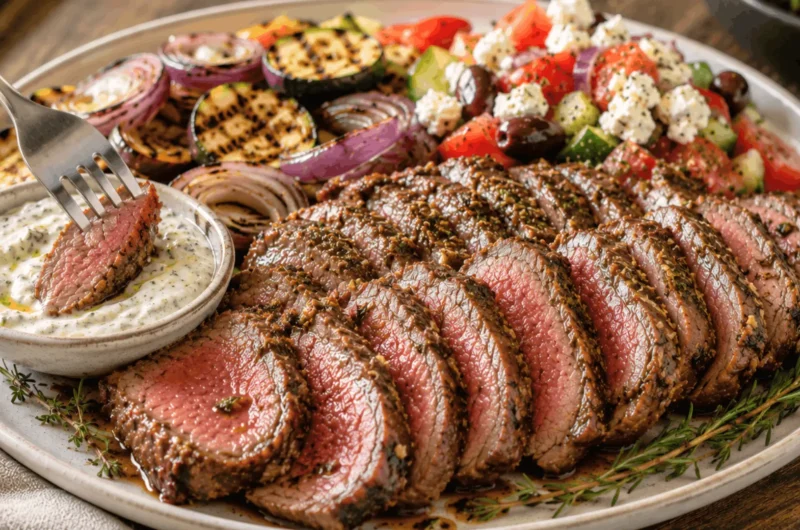
minutesA boneless leg of lamb, tied for even cooking and grilled in two zones for a browned crust and a juicy, medium-rare center. A simple garlic herb marinade does the flavor work.
Ingredients
For the Boneless Leg of Lamb
1 boneless leg of lamb (4 to 5 lbs), netted or tied
2 tablespoons olive oil
1 tablespoon kosher salt
1 teaspoon freshly ground black pepper
Garlic Herb Marinade6 garlic cloves, minced
3 tablespoons fresh rosemary, chopped
2 tablespoons fresh thyme, chopped
¼ cup olive oil
2 tablespoons fresh lemon juice
1 teaspoon kosher salt
½ teaspoon black pepper
Directions
- Whisk together the garlic, rosemary, thyme, olive oil, lemon juice, salt, and pepper for the marinade.
- Untie the roast, check thickness, and tie evenly with butcher’s twine every 1 to 1.5 inches.
- Marinate the lamb in a resealable bag for 4 to 12 hours.
- Bring the lamb to room temperature for 30 to 45 minutes before grilling.
- Remove the lamb from the marinade and let the excess drip off. Do not rinse it.
- Pat the entire surface dry with paper towels, pressing rather than wiping.
- Check the twine is snug and evenly spaced. Retie any loose sections.
- Set up a two-zone grill: light half the burners on gas, or bank hot coals to one side on charcoal.
- Preheat the direct side to about 450°F.
- Sear over direct heat, about 2 minutes on the first side until browned, then flip and grill 3 to 4 minutes per side.
- Move the roast to indirect heat, close the lid, and cook at around 325°F.
- Starting at the 30-minute mark, check the internal temperature every 10 minutes. Insert the thermometer into the thickest part, avoiding fat pockets and twine.
- Pull the lamb 5°F below your target temperature (130°F for medium-rare) and rest for 15 minutes under loose foil.
- Remove the twine and slice thinly against the grain.
Notes
- Don’t marinate past 12 hours. The lemon juice starts breaking down the surface texture instead of just flavoring it.
- A loose tie is the most common reason one side of the roast finishes before the other. Check it before it goes on the grill, not after.
- Pull the lamb 5°F below your target temperature. It keeps climbing during the rest.
- Keep the thermometer out of fat pockets and away from the twine. Both give you a false reading.
- Leftovers keep in the fridge for up to 4 days, or in the freezer for up to 3 months.
- Reheat gently in a covered skillet with a splash of broth, or in a 300°F oven. The microwave dries out thin slices fast.
FAQs About Grilled Boneless Leg of Lamb
How do you grill a boneless leg of lamb?
Tie the roast evenly, marinate it for 4 to 12 hours, then sear it over direct heat before finishing over indirect heat until it hits your target internal temperature. Rest it for 15 minutes before slicing.
How long does it take to grill a boneless leg of lamb?
A 4 to 5 pound boneless leg takes about 45 to 60 minutes total, including the initial sear. Larger roasts take longer, and actual time depends on grill temperature and how tightly the roast is tied.
What temperature should boneless leg of lamb be?
Pull it at 130°F for medium-rare, 140°F for medium. The temperature climbs another 5 degrees while it rests, landing at 135°F and 145°F respectively.
Can I grill a boneless leg of lamb on a gas grill?
Yes. Set up two zones by lighting half your burners, sear over the hot side, then finish over the unlit side with the lid closed.
Can I grill a boneless leg of lamb on a charcoal grill?
Yes. Bank the coals to one side for a direct zone, sear the roast there, then move it to the empty side to finish cooking.
Should I sear boneless leg of lamb before grilling?
Yes. Searing first builds a browned crust while the grill is at its hottest, then the lower indirect heat finishes the center without burning the outside.
Should I grill boneless leg of lamb with the lid open or closed?
Keep the lid closed during the indirect finishing phase. This traps heat and keeps the cooking temperature steady.
How long should I marinate boneless leg of lamb?
Marinate for 4 to 12 hours. Longer than that and the acid in the marinade starts affecting texture more than flavor.
Do I remove the netting from a boneless leg of lamb before grilling?
Remove the netting right before marinating, then retie the roast with butcher’s twine after seasoning it, spacing ties evenly for consistent cooking.
Should I rest boneless leg of lamb before slicing?
Yes. Rest it for 15 minutes under loose foil. This lets the juices settle back into the meat instead of running out onto the cutting board.
Final Thoughts
With a little extra prep, you can make a boneless leg of lamb even more easily. And everyone will be happy. Tie it up well and marinate for 4–12 hours. Then cook on a two-zone grill. First sear it on the direct heat zone, then finish it over indirect heat. Cook by temperature, not by time. Let the meat rest a bit before carving. Trust me, if you follow these steps properly, making a boneless leg of lamb will be very easy.
Have you tried this recipe? Write a review below and share your experience. If you want to prepare a full lamb meal, check out our Leg of Lamb for Grilling recipe and Leg of Lamb Butterflied guides for more lamb cuts and cooking techniques.
More grilled and smoked recipes: