Beef Chuck Eye Steak Recipe: How to Cook It Perfectly Juicy

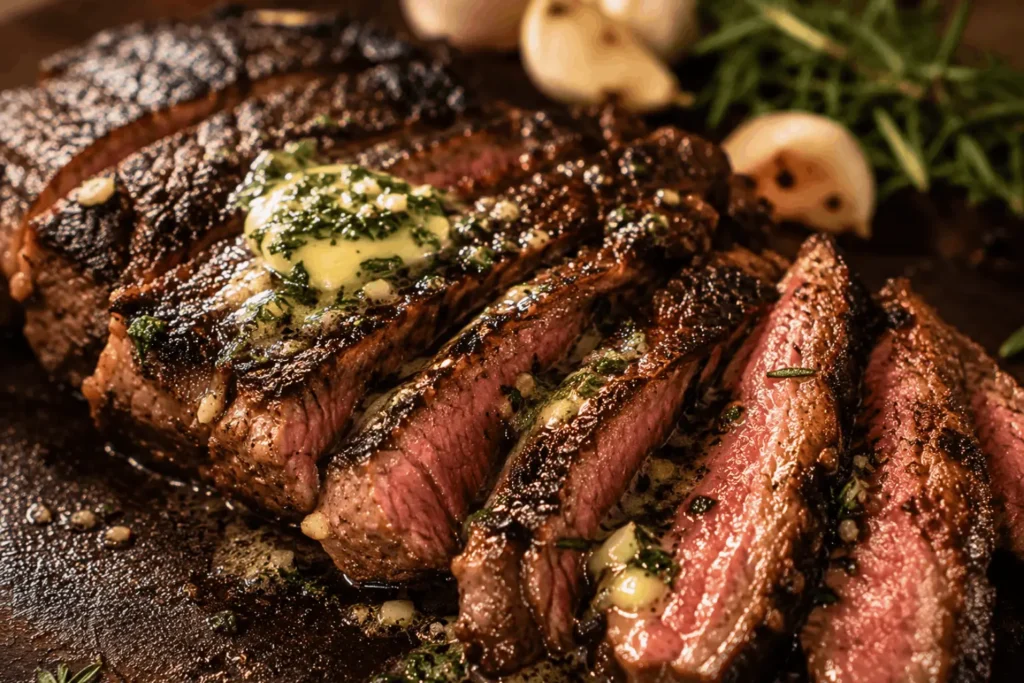
Beef chuck eye steak is one of those cuts most people just don’t know about. It tastes like ribeye. It cooks faster than sirloin. And it costs half as much. A lot of home cooks never even consider this cut, because they don’t know what it is.
In this guide, I’ll show you exactly how to pick, prep, and cook chuck eye steak so it comes out tender and juicy every time. You’ll get a cast iron method, a grill method, and the exact mistakes that turn this cut tough. And you’ll get a tested herb compound butter recipe that takes it from good to exceptional. Let’s get started.
- Quick Highlights
- Beef Chuck Eye Steak Recipe Snapshot
- What Is Beef Chuck Eye Steak and Why You'll Love It
- History u0026 Fun Facts about Beef Chuck Eye Steak
- Understanding the Cut: Why Chuck Eye Steak Is So Tender
- Beef Chuck Rib Eye Steak vs Chuck Eye: What's the Real Difference?
- How to Select the Best Beef Chuck Eye Steak
- Ingredients u0026 Equipment You'll Need
- The Searing Technique: How to Get the Perfect Golden Crust
- Step-by-Step: How to Cook Beef Chuck Eye Steak (Cast Iron Pan Method)
- Grilled Beef Chuck Eye Steak (Outdoor Method)
- Why Resting Your Steak Matters (And How Long)
- What I Learned Testing Chuck Eye Steaks
- The Herb Compound Butter Recipe
- Common Mistakes u0026 How to Fix Them
- Nutrition Information
- Health Benefits of Beef Chuck Eye Steak
- What to Serve with Beef Chuck Eye Steak
- Storage, Reheating u0026 Leftover Ideas
- FAQ
- Final Verdict
Quick Highlights
- Total time: 25 minutes
- Method: Pan-seared cast iron (with grilling option)
- Servings: 2
- Flavor profile: Rich, beefy, buttery, golden crust, tender interior
- Skill level: Beginner-friendly
- Key tools: Cast iron skillet, meat thermometer, tongs
Beef Chuck Eye Steak Recipe Snapshot
Beef Chuck Eye Steak
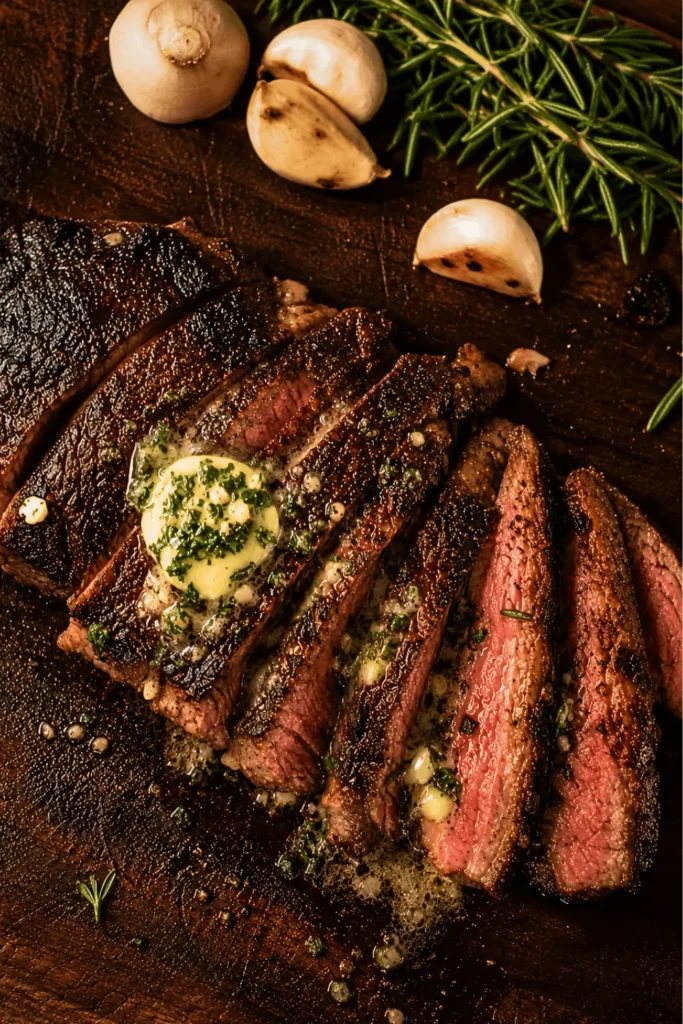
What Is Beef Chuck Eye Steak and Why You’ll Love It
One day, I happened to see a chuck eye steak at my local butcher shop. It was sitting right next to the ribeye. The ribeye was $25 a pound, and the chuck eye was $12 a pound. Then the butcher looked at me and said, “Don’t handle it too much. Cook it thoroughly, and trust me.” Yes, he was absolutely right.
A chuck eye steak is a small, single cut taken from the shoulder section of a cow. In fact, when cooked properly, it becomes very juicy because of the fat it contains. The tenderness is also quite similar to a rib-eye. The flavor is deep, rich, and has that classic, wonderful beefy taste. It’s also quite affordable. It’s a great choice for a weeknight dinner.
Many people don’t know about this cut. In fact, butchers only get two or three chuck eye steaks from each cow, so there isn’t much competition for it at the meat counter, and demand is relatively low.
I’m sharing with you the results of five different tests conducted on this cut. Looking at them will make it much easier for you to understand.
History & Fun Facts about Beef Chuck Eye Steak
The “poor man’s ribeye” is nothing new. In fact, this name has been around for many years. Butchers have known it by that name for decades. When good meat was hard to come by, many families realized that chuck eye tastes a lot like rib-eye but costs much less.
This cut is taken from the cow’s fifth rib. Rib-eye comes from the sixth through twelfth ribs. In fact, these two cuts lie right next to each other, and that’s the most important thing. The chuck eye is a cut that’s as marbled and tender as rib-eye.
Chuck eye steak often appears on restaurant menus under other names, such as “Delmonico steak,” “chuck fillet,” or simply “butcher’s cut.” In fact, experienced chefs have long known the true value of this cut, and home cooks are only now beginning to understand this.
Understanding the Cut: Why Chuck Eye Steak Is So Tender
The main reason chuck eye steak is tender is its structure and the fat marbling within the meat. In fact, this cut sits right next to the rib-eye primal, so it’s much more tender than many of the muscles used in chuck roasts.
To me, the most important thing about steak is its marbling. In fact, the streaks of white fat that run through the meat are what make this cut stand out. This fat melts during cooking and spreads the juices into the meat or runs over it. And that’s what gives it its great flavor.
I never have a problem cutting a properly cooked chuck eye steak. The inside is so tender that it can be easily cut with a fork if you want to. The outer skin is crispy and a beautiful golden-brown. And the herb butter melts into every little crevice of the steak.
Beef Chuck Rib Eye Steak vs Chuck Eye: What’s the Real Difference?
| Feature | Chuck Eye Steak | Ribeye |
|---|---|---|
| Primal cut | Chuck (ribs 1-5) | Rib (ribs 6-12) |
| Price per pound | $8-$12 | $15-$25 |
| Tenderness | Good, slightly looser grain | Very tender, consistent |
| Marbling | Similar | Similar |
| Yield per animal | 2 steaks | 12+ steaks |
| Best cooking method | High heat, pan or grill | High heat, pan or grill |
Some people search for “beef chuck rib eye steak” since the two cuts sit so close together and share a lot of the same qualities. But they come from different primal sections, so they cook the same way and taste similar — the real difference comes down to consistency. Ribeye delivers the same texture every time. Chuck eye can vary steak to steak, depending on exactly where it was cut.
For the price difference, I’ll take that trade-off most weeks. Save the ribeye for special occasions. If you’re curious how other cuts stack up against ribeye, my tomahawk steak vs ribeye comparison breaks down another popular match-up.
How to Select the Best Beef Chuck Eye Steak
Thickness & Size
Look for steaks that are at least ¾-inch thick. Otherwise, the steak overcooks before developing a proper crust. I aim for 1 to 1.5 inches thick.
Also, check the color. Fresh beef is bright red, not dark purple. Marbling should be visible—white lines throughout the meat. In addition, ask your butcher for steaks from the same animal if you’re cooking multiple. Thickness varies between cuts, so uniform size means even cooking.
Boneless Beef Chuck Eye Steak vs Bone-In
| Feature | Boneless | Bone-In |
|---|---|---|
| Availability | Most common at stores | Harder to find |
| Trimming | Easier to trim | Requires more prep |
| Cooking evenness | Cooks more evenly | Bone slows heat transfer near center |
| Cook time | Standard | Slightly longer to reach temperature |
Ingredients & Equipment You’ll Need
For the Steak
- 2 chuck eye steaks (1 to 1.5 inches thick)
- Coarse sea salt
- Freshly ground black pepper
- 1 tablespoon high-smoke-point oil (avocado or vegetable)
For the Herb Compound Butter
- 4 tablespoons unsalted butter (softened)
- 2 cloves garlic (minced)
- 1 tablespoon fresh rosemary (chopped)
- 1 tablespoon fresh thyme (chopped)
- Sea salt and pepper to taste
Equipment You’ll Need
- 12-inch cast iron skillet
- Meat thermometer (essential, not optional)
- Paper towels
- Tongs
- Cutting board
Substitution Notes
| Original Ingredient | Substitute | Notes |
|---|---|---|
| Unsalted butter | Ghee | Higher smoke point and richer, nutty flavor. Works great for the compound butter. |
| Fresh rosemary & thyme | Dried herbs | Use 1 teaspoon dried per 1 tablespoon fresh. Flavor is more concentrated. |
| Avocado oil | Olive oil OR Vegetable oil | Olive oil has a lower smoke point (375°F) — reduce heat slightly. Vegetable oil is neutral and works perfectly at high heat. Vegetable oil is my second choice. |
| Cast iron skillet | Stainless steel OR Heavy-bottomed skillet | Stainless steel takes longer to heat and won’t brown as evenly. Any quality heavy-bottomed skillet works, but cast iron is ideal. |
Use ghee instead of butter if you prefer. Swap fresh herbs for dried (use 1 teaspoon dried per tablespoon fresh). Olive oil works but has a lower smoke point. Avocado oil is my first choice. Vegetable oil is fine too.
The Searing Technique: How to Get the Perfect Golden Crust
Dry Your Steak First
First, pat the steaks thoroughly dry with paper towels. If there’s moisture on the steak, it won’t brown nicely. Instead of searing, the steak will end up soggy and steamed.
Once the steak is thoroughly dried, sprinkle both sides generously with salt and pepper. Then, if you like, add herbs and spices to your taste. The flavors actually blend very well into the steak.
Then leave the steak uncovered at room temperature for about 20 minutes. This allows the exterior to dry out further. During this time, the meat also comes to room temperature, resulting in more even cooking.
Heat Your Pan Properly
Place a cast-iron pan over medium-high heat and heat it thoroughly for 3–4 minutes. It’s really important that the pan is properly hot. To check if it’s hot enough, sprinkle a drop of water on it. If it sizzles loudly, you’ll know the pan is ready for cooking.
Now add oil to the pan. Then tilt the pan slightly to spread the oil evenly across the bottom. Actually, wait until the oil starts to shimmer a bit. As soon as you see light smoke rising, you’ll know the oil is properly heated. That’s when the Maillard reaction will form a beautiful golden crust on the steak.
Basically, it’s a type of chemical reaction that happens when meat is cooked at high heat. The amino acids in the meat and the sugars react together to produce a beautiful brown color. That brown crust is the secret to its amazing flavor. The more evenly browned it is, the better it tastes.
Step-by-Step: How to Cook Beef Chuck Eye Steak (Cast Iron Pan Method)
Step 1- Sear the first side
First, heat the pan thoroughly over high heat. Then place the steak in the pan. It will immediately start sizzling. After that, don’t move or flip the steak at all. Wait 4–5 minutes. During this time, a beautiful, crispy crust forms on the steak.
Step 2- Flip and sear the second side
Carefully flip the steak with tongs. Then sear the other side for 3–4 minutes, until it turns a beautiful golden-brown. By the end of this step, you’ll have a fantastic golden crust on both sides of the steak.
Step 3- Check the temperature
Now insert a meat thermometer straight into the thickest part of the steak from above and measure the temperature. I recommend medium-rare (130°F) for the best results.
Step 4- Finish in the oven (optional but better)
If the steak is thick, place the entire pan in a 400°F oven for 5–8 minutes. This way the crispy crust on the outside isn’t ruined, and the inside cooks evenly. If the steak is thin, you can finish cooking it by searing it in the pan over medium heat.
Step 5- Rest the steak
Remove the steak from the heat and place it on a cutting board. Then let it rest for 10 minutes. Trust me, don’t skip this step. Be patient and don’t slice into the steak just yet. During this time, the juices inside the meat redistribute properly, making the steak even more juicy.
Step 6- Top with butter and serve
Now place a pat of herb compound butter on the steak. Let it slowly melt over the hot steak. If you like, you can then slice the steak into pieces. Then, without further delay, serve it immediately.
Grilled Beef Chuck Eye Steak (Outdoor Method)
Preheat the grill to high heat—around 450–500°F. Then lightly brush the grill grates with oil that can withstand high temperatures. Next, pat the steaks thoroughly dry with paper towels. Finally, sprinkle both sides generously with salt and pepper.
Place the steaks on the hotter part of the grill. Then close the lid. Don’t turn the steak at all for 4–5 minutes. After that, flip the steak and sear the other side well for 3–4 minutes.
Then check internal temperature. When it reaches 125°F, remove the steak from direct heat and place it on indirect heat, or set the grill to medium. Continue cooking until it’s medium-rare (130°F).
Once the steak is cooked to perfection, remove it from the grill. Let it rest for 10 minutes. During this time, the juices inside the meat redistribute evenly. Then spread the herb butter on top so it slowly melts over the hot steak. And Serve it.
The biggest mistake I see when grilling is that many people leave the lid open while searing. In fact, once this cut hits high heat, it cooks very quickly. So always keep an eye on the steak. I’ve a detailed about how to grill chuck eye steak marinade, temps & timing with Direct & Indirect Heat Method. I’ve also a detailed technique that how I use tomahawk steak on a gas grill cooking guide.
Why Resting Your Steak Matters (And How Long)
What Happens During Rest
When cooking, the meat’s juices migrate toward the center. So if you slice the steak as soon as it’s done, those juices won’t stay in the meat but will run out onto the plate. But if you let it rest for a few minutes, the meat reabsorbs those juices. In fact, during this time the meat’s fibers also relax a bit.
There’s another important reason to let the steak rest. In fact, even after taking it off the heat, its internal temperature can rise by about 5°F in the first five minutes. This is called “carry-over cooking.” So if you want to end up with the steak at 130°F, you need to remove it from the heat when it reaches 125°F.
How Long to Rest
Let the steak rest for at least 10 minutes, or longer if you like. It won’t hurt. I once let it rest for up to 15 minutes, but resting it for less than five minutes isn’t enough-you won’t get the full benefit of the rest.
What I Learned Testing Chuck Eye Steaks
My sister came over to taste the recipe. I told her, “Feel it to see if it’s done.” Actually, my grandmother always does it this way without a thermometer. Perfect—hers was rare. But I had cooked mine the same way just a few minutes earlier and it had overcooked and gotten tough. Then we checked it with a thermometer.
Then disaster struck at the dinner party. Actually, without checking the thickness of the steaks, I took two thin ones and two thick ones. Then I cooked them all the same way. Do you know what happened? The thin ones overcooked and turned gray and tough. The thick ones stayed pink in the middle—they never went all the way white. I felt like I’d let everyone down. Since then, I always measure the thickness of the steaks before I start cooking. This little trick really comes in handy.
A few months ago, I saw a steakhouse chef staring at a hot, glowing red heavy cast-iron pan. His non-stick pan was sitting unused in a corner. I did what any chef would have done. I went home and tested it myself to see how it would work for me.
The steak didn’t brown as well in the non-stick pan. But the cast iron pan created a beautiful golden crust that was truly mouth-watering. That’s because cast iron retains heat much better than any other pan.
The Herb Compound Butter Recipe
Compound butter is what elevates this steak from good to exceptional. It’s simple to make.
Ingredients:
- 4 tablespoons unsalted butter (softened at room temperature)
- 2 cloves garlic (minced finely)
- 1 tablespoon fresh rosemary (chopped)
- 1 tablespoon fresh thyme (chopped)
- ¼ teaspoon sea salt
- ¼ teaspoon black pepper
Instructions:
- Mix softened butter with minced garlic in a small bowl.
- Add chopped rosemary and thyme.
- Add salt and pepper.
- Mash with a fork until combined.
- Place on plastic wrap and form into a log.
- Chill until firm (30 minutes minimum, or make ahead and freeze).
- Slice into pats right before serving.
The butter melts over the hot steak. The herbs infuse the meat. Every bite tastes restaurant-quality.
Common Mistakes & How to Fix Them
- Tough steak comes from overcooking — chuck eye is forgiving, but it has limits
- Push past 140°F and the meat becomes chewy
- Use your thermometer and pull at 130°F for medium-rare, the sweet spot for chuck eye
- Thin steaks (less than ¾ inch) are harder to control — the exterior reaches 160°F before the center hits 130°F
- Buy thicker steaks or reduce your heat slightly to compensate
Nutrition Information
Per serving (steak + herb butter)
| Nutrient | Amount Per Serving | % Daily Value* |
|---|---|---|
| Calories | 628 kcal | — |
| Total Fat | 48.4g | 62% |
| Saturated Fat | 23.6g | 118% |
| Trans Fat | 2g | — |
| Cholesterol | 210.6mg | 70% |
| Sodium | 131.3mg | 6% |
| Total Carbohydrates | 1g | 0% |
| Dietary Fiber | 0g | 0% |
| Sugars | 0g | — |
| Protein | 47.8g | 96% |
| Iron | 4.9mg | 27% |
| Potassium | 665mg | 14% |
| Calcium | 41mg | 3% |
*Percent Daily Values are based on a 2,000 calorie diet. Actual values may vary based on steak size and preparation method.
Source: USDA FoodData Central FDC ID 170801 (chuck eye steak); USDA nutrient data for unsalted butter, avocado oil, and garlic.
Health Benefits of Beef Chuck Eye Steak
Chuck eye steak is a very nutritious cut of meat. Just a 6-ounce serving contains about 47.8 grams of protein. This protein helps build muscle and speeds up muscle recovery after exercise.
Chuck eye steak also has a good amount of iron. Beef contains heme iron, which the body can absorb much more easily than plant-based iron. It’s also rich in vitamin B12.
Marbled beef also contains omega-3 fatty acids. Although not as much as in fish, it’s still a good source. And it’s this fat in the steak that makes you feel full for a long time after eating.
What to Serve with Beef Chuck Eye Steak
Simple sides let the steak shine.
- Roasted asparagus with olive oil and garlic
- Brussels sprouts with balsamic
- Baby potatoes with rosemary
- Fresh green salad with vinaigrette — the acid cuts through the richness
- Skip heavy sauces — the herb butter is enough, though a squeeze of fresh lemon works too
Storage, Reheating & Leftover Ideas
Store cooked steak in an airtight container in the refrigerator for up to 3 days. Don’t freeze if you want the same quality. The texture suffers slightly when thawed.
Reheat gently. Place the steak in a 325°F oven for 5-7 minutes until just warm. Avoid microwave—it dries out the meat.
Leftover steak is delicious cold on a salad. Slice it thin and serve over greens with vinaigrette. It’s a different experience than hot steak, but equally satisfying.
Beef Chuck Eye Steak Recipe: How to Cook It Perfectly Juicy
Course: Main CourseCuisine: AmericanDifficulty: Easy2
servings10
minutes15
minutes628
kcal25
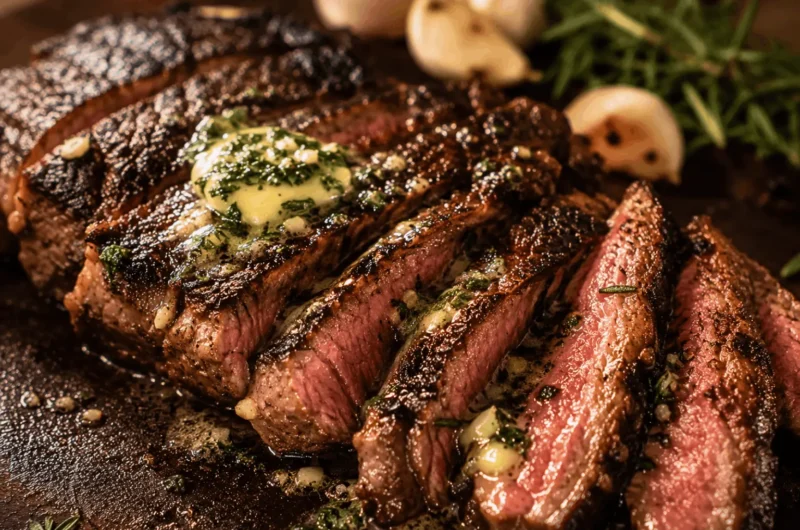
minutesJuicy, tender beef chuck eye steak seared in a cast iron skillet and topped with garlic herb butter. This budget-friendly cut delivers ribeye-style flavor in under 30 minutes, right on your stovetop.
Ingredients
For the Steak:
2 chuck eye steaks (1 to 1.5 inches thick)
Coarse sea salt
Freshly ground black pepper
1 tablespoon avocado oil
For the Herb Compound Butter:4 tablespoons unsalted butter (softened at room temperature)
2 cloves garlic, minced
1 tablespoon fresh rosemary, chopped
1 tablespoon fresh thyme, chopped
¼ teaspoon sea salt
¼ teaspoon black pepper
Directions
- Pat steaks completely dry with paper towels. Season generously with salt and pepper on both sides. Let sit at room temperature for 20 minutes.
- Meanwhile, mix softened butter with garlic, rosemary, thyme, salt, and pepper in a small bowl. Form into a log using plastic wrap and chill until firm.
- Heat a cast iron skillet over medium-high heat for 3-4 minutes. Add oil and swirl to coat the bottom.
- Place steaks in the hot skillet. Sear undisturbed for 4-5 minutes to build a golden crust.
- Flip and sear the other side for 3-4 minutes.
- Check internal temperature with a meat thermometer. Pull at 130°F for medium-rare.
- Remove from heat and rest for 10 minutes on a cutting board. Do not skip this step.
- Top with a slice of herb butter and serve immediately.
Notes
- A meat thermometer is essential for consistent results — don’t rely on touch alone.
- Steaks thinner than ¾ inch cook faster and are easier to overcook. Aim for 1 to 1.5 inches thick.
- Leftover compound butter freezes well for up to 3 months. Slice and use on other steaks or vegetables.
- Store cooked steak in an airtight container in the fridge for up to 3 days. Reheat gently in a 325°F oven.
FAQ
Is beef chuck eye steak tender?
Yes. When cooked properly, chuck eye steak is as tender as ribeye. The key is high heat searing, proper resting, and not overcooking past medium-rare.
How to cook beef chuck eye steak perfectly?
Dry the steak, season with salt and pepper, sear in a hot cast iron pan for 4-5 minutes per side, check temperature with a thermometer (target 130°F for medium-rare), rest for 10 minutes, and top with herb butter.
Can I grill chuck eye steak?
Yes. Preheat your grill to 500°F. Sear 4-5 minutes per side. Check temperature and adjust heat as needed. Rest for 10 minutes before serving.
What’s the difference between chuck eye and chuck steak?
Chuck eye is tender and marbled, suitable for quick cooking over high heat. Chuck steak is tougher and requires slow, moist cooking (braising, stewing). They’re different cuts requiring different methods.
How thick should my chuck eye steak be?
At least ¾-inch. Ideally 1 to 1.5 inches. Thinner steaks overcook before developing proper crust.
Final Verdict
Chuck eye steak gives you ribeye-style flavor at half the price, as long as you know what to look for. Simply buy it thick, dry it before searing, cook it hot and fast, and rest it before you cut.
My recommendation: start with the cast iron method above. It gives you the most control over the crust, and once you’ve made it a few times, you’ll get a feel for adjusting time based on your specific cut.
Give this recipe a try this week and let me know how your steak turns out in the comments. Meanwhile, if you’re working through other beef cuts, my beef brisket pastrami recipe is another good one to try next.
More Beef Recipes You’ll Love
- Smoked Tomahawk Steak: How to Get Perfect Bark Every Time
- How to Reverse Sear a Tomahawk Steak on Gas Grill and Oven