Smoked Beef Back Ribs: How to Smoke Tender Ribs Every Time

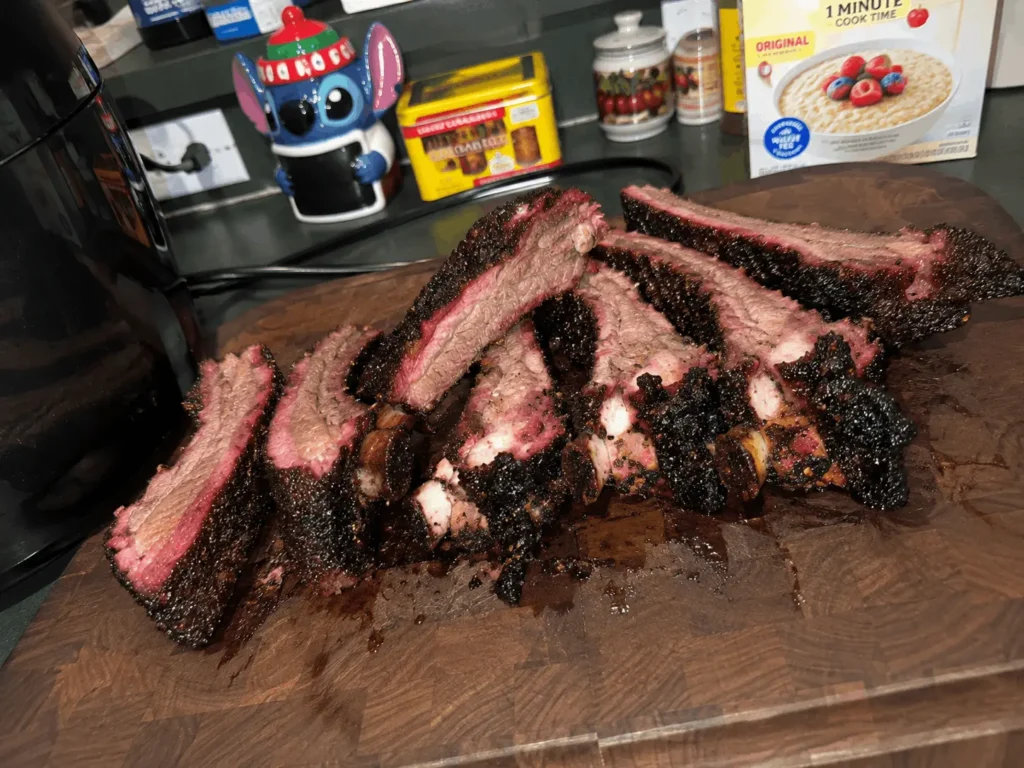
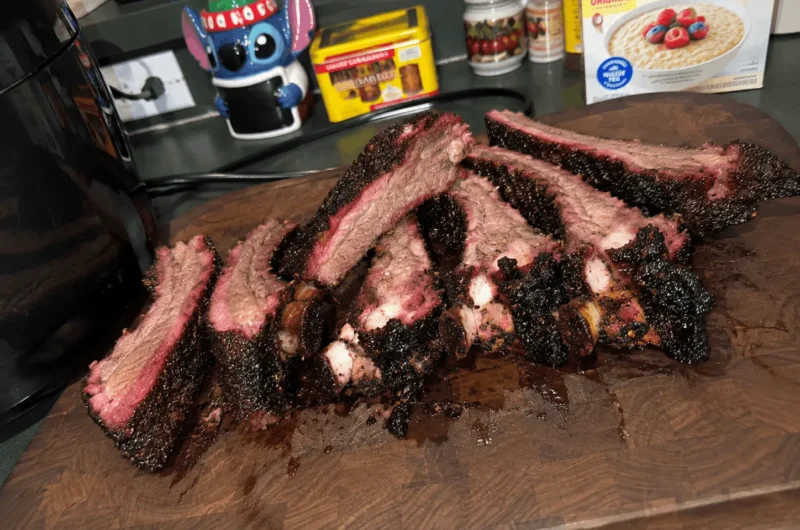
Smoked beef back ribs are one of the best cuts for cooking in a smoker. When cooked properly, they yield tender, smoke flavored meat between the bones & develop a great bark on the outside. Even though it doesn’t have as much meat as short ribs or large dino beef ribs. That’s why it’s absolutely ideal for backyard BBQ, pellet grills, and offset smokers.
Making smoked beef back ribs isn’t as hard as it seems. Remove the membrane from the meat. Then coat it well with a dry rub. Smoke at 225-250°F until probe tender, depending on thickness. Most racks take 4 to 5 hours at 225°F or three and a half to four and a half hours at 250°F.
In this guide, I’ll show you step by step how to smoke beef back ribs until they’re tender every time. Here you’ll learn about the best smoker setup, cooking time, internal temperature, which wood to use, and some essential tips. If you follow these guidelines, the meat won’t dry out, and you’ll get a great smoky flavor and beautiful bark. You can easily make tender, delicious beef back ribs with this recipe.
- Recipe Snapshot
- What Are Beef Back Ribs?
- Ingredients You'll Need for Smoked Beef Back Ribs
- Ingredient Substitutions
- Equipment You'll Need
- How to Prepare Beef Back Ribs for the Smoker
- Step-by-Step: How to Smoke Beef Back Ribs
- How Long to Smoke Beef Back Ribs
- Experts Tips u0026 Variations for Smoked Beef Back Ribs
- Nutrition Information
- Best Sides for Smoked Beef Back Ribs
- Storage and Reheating Tips
- Perfect Occasions for Smoked Beef Back Ribs
- Health Benefits
- FAQs About Smoked Beef Back Ribs
- Final Thoughts
Recipe Snapshot
Smoked Beef Back Ribs
What Are Beef Back Ribs?
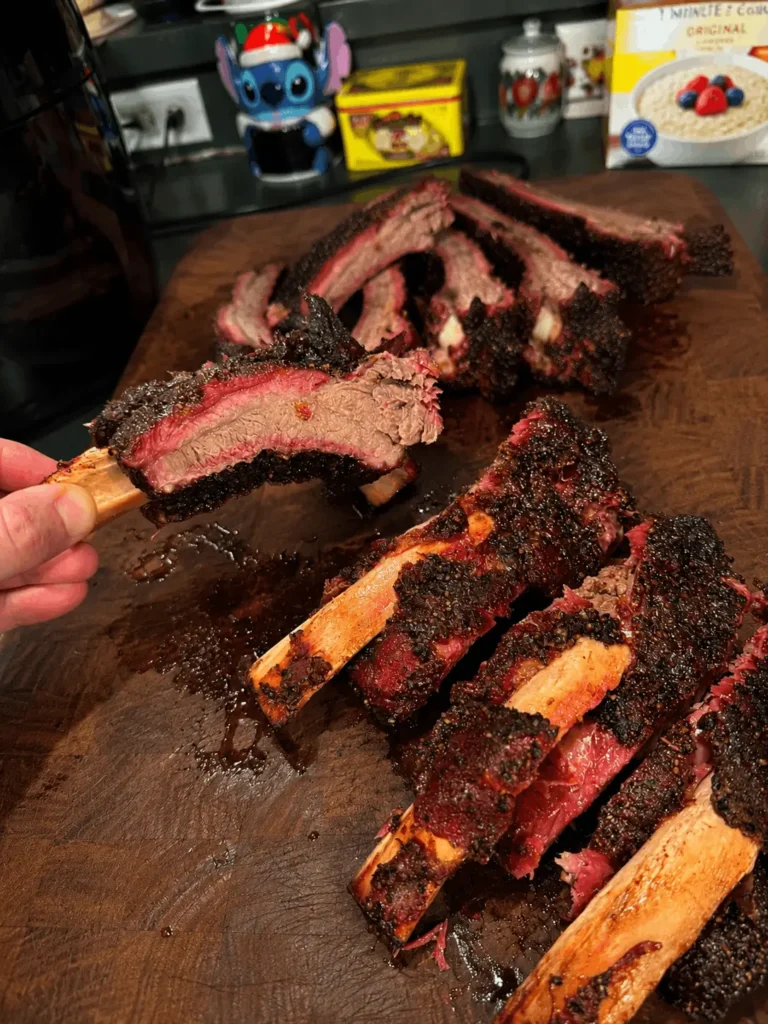
Beef back ribs come from the rib primal, the same cut where the steakhouse ribeye steak is taken. After the ribeye is removed, some meat remains between and above the bones. And it’s that rack of ribs that’s smoked and cooked.
Beef Back Ribs vs. Short Ribs
Back ribs are cut from the upper part of the ribcage, close to the spine, where less meat is left after the ribeye is cut away. Therefore, they have relatively less meat. Short ribs come from the lower part, near the plate and chuck. They have more marbling and more meat on the bone. Back ribs cook relatively quickly and have less fat. On the other hand, short ribs are larger, thicker, and more flavorful.
Beef Back Ribs vs. Dino Ribs
The nickname “dino ribs” is used for beef plate short ribs. They are cut much longer and thicker. Dino ribs are much larger, heavier, and take longer to cook than regular back ribs. Back ribs are smaller, cook faster, and have more bone relative to meat, which makes them the better pick for a weeknight or last-minute cookout.
Why Beef Back Ribs Are Perfect for Smoking?
The Role of Fat and Collagen
Back ribs have plenty of fat, so the meat stays juicy even after cooking. They also contain a good amount of connective tissue. Which yields the best results when cooked slowly over low heat. This connective tissue is called collagen. Collagen needs time and sustained heat to turn into gelatin. So be patient and cook them a bit longer. You’ll see the ribs become perfectly tender.
Choosing the Right Beef Back Ribs Smoker
Any beef back ribs smoker works here, whether it’s an offset, a pellet grill, a kamado, or even a charcoal grill set up for indirect heat. What matters more than the smoker type is holding a steady temperature for a few hours. Keep the ribs away from direct flame, and use a reliable thermometer instead of trusting the built-in gauge.
Ingredients You’ll Need for Smoked Beef Back Ribs
For the Ribs
Here’s everything you need to make smoked beef back ribs with dry rub, from the meat itself to the seasoning blend.
- Beef back ribs — 4-5 pounds (one whole rack, bone-in)
- Yellow mustard or olive oil — 1 tablespoon (optional binder to help the dry rub stick)
Dry Rub
- Coarse kosher salt — 2 tablespoons
- Coarse black pepper — 2 tablespoons (16-mesh if you have it)
- Garlic powder — 1 tablespoon
- Onion powder — 1 tablespoon
- Smoked paprika — 2 teaspoons
- Brown sugar — 1 tablespoon (optional, adds light sweetness and better caramelization)
- Cayenne pepper — 1/2 teaspoon (optional, for mild heat)
Optional Spritz
- Apple cider vinegar — 1/2 cup, or
- Beef broth — 1/2 cup
Ingredient Substitutions
| Original | Substitute | Effect on Result |
|---|---|---|
| Kosher salt | Coarse sea salt | Similar seasoning; adjust slightly since crystal sizes vary. |
| Yellow mustard | Olive oil or beef tallow | Helps the rub stick, with a milder flavor. |
| Beef broth | Apple cider vinegar | Adds a brighter, tangier flavor while keeping the surface moist. |
| Brown sugar | Honey powder or omit | Less sweetness and a slightly lighter bark. |
| Smoked paprika | Regular paprika | Similar color, milder smoky flavor. |
| Garlic powder | Granulated garlic | Very similar flavor, slightly coarser texture. |
Equipment You’ll Need
- Smoker (pellet, offset, or charcoal)
- Meat thermometer
- Instant-read thermometer
- Sharp knife
- Paper towels
- Butcher paper or foil
- Spray bottle (optional)
- Tongs
How to Prepare Beef Back Ribs for the Smoker
1. Remove the membrane. The thin silver skin next to the bone prevents smoke and spice flavor from penetrating the meat. So use a regular use knife to gently lift one side. Then holding it with a paper towel and pull it off in one swift motion. This little trick is very handy.
2. Trim excess fat. Trim off the hanging fat and silver skin. There’s no need to cut any more than that. Beef back ribs don’t have that much fat.
3. Apply a binder (optional). Apply a thin layer of yellow mustard or oil. This will help the dry rub stick on well. You won’t taste it once the ribs are cooked.
4. Season generously. Coat dry rub evenly all over the rack, even on the edges. Then gently rub it in so the seasoning sticks well.
5. Let the ribs rest. After applying the spices, let it sit for 15–20 minutes so it can set in properly. In the meantime, preheat the smoker.
Step-by-Step: How to Smoke Beef Back Ribs
Step 1: Preheat the smoker
Heat the smoker to 225–250°F. Once it reaches that temperature, put the ribs in.
Step 2: Add the ribs
Place the rack of beef back ribs bone-side down in the smoker. If you’re smoking multiple racks at once, leave a little space between each rack so smoke and heat can circulate properly around all of them.
Step 3: Smoke until the bark forms
Don’t keep opening the lid. Let the ribs smoke on their own for 2–3 hours so they develop a nice bark.
Step 4: Spritz the ribs (optional)
If the ribs start to dry out, lightly spray them every 45–60 minutes with apple cider vinegar or beef broth. This little trick goes a long way in keeping the ribs juicy.
Step 5: Wrap (optional)
For the last few hours of cooking, you can wrap the ribs in butcher paper or foil if you like. This keeps the ribs juicy and speeds up the cooking a bit. However, it can make the bark somewhat soft. If you want a firm, attractive bark, skip this step.
Step 6: Continue smoking until probe tender
Push an instant-read thermometer or a toothpick into the thickest part of the ribs. If it goes in as easily as a knife into soft butter, you’ll know the ribs are properly cooked.
Step 7: Rest before serving
Let the rack of ribs rest for 20–30 minutes before slicing. During this time, loosely cover it with foil. This keeps the juices in the meat and makes it taste even better.
How Long to Smoke Beef Back Ribs
Beef back ribs smoking time can vary from cook to cook. It mainly depends on the smoker’s temperature and how thick the rack of ribs is. However, for cooking estimates, the following time ranges are generally used.
Quick answer: Smoke the ribs at 225°F for 4–5 hours or at 250°F for three and a half to four and a half hours. But don’t rely solely on time—test the thickest part of the meat with your probe. If it slides in easily with very little resistance, you’ll know the ribs are perfectly cooked.
| Smoker Temperature | Approximate Time | Doneness Check |
|---|---|---|
| 225°F | 4-5 hours | Probe tender |
| 250°F | 3.5-4.5 hours | Probe tender |
| Pellet grill | 4-5 hours | Tender and juicy |
Smoking Beef Back Ribs at 225°F
This is the traditional low-and-slow method. It gradually develops beautiful bark and slowly breaks down the connective tissue, making it tender. That’s why many pitmasters use this method when smoking beef ribs.
Smoking Beef Back Ribs at 250°F
Keeping the temperature a bit higher cuts cooking time by about 30–45 minutes. Yet the ribs still stay tender and juicy. So if you’re short on time but don’t want to rush the process, this is a great option.
How to Tell When Smoked Beef Back Ribs Are Done
When you insert a probe into the ribs, you’ll feel almost no resistance. The meat will shift about a quarter inch away from the bone ends. And if you lift the rack in the middle, it will bend easily. You can get an idea by checking the internal temperature. It typically ranges from 200°F to 205°F. But more important than the temperature is whether the meat has actually softened. Even if they reach the same temperature, two different racks may not be equally tender.
Experts Tips & Variations for Smoked Beef Back Ribs
- Cook until probe tender, not just to a specific temperature.
- Maintain a steady smoker temperature instead of chasing swings.
- Don’t skip removing the membrane.
- Oak, hickory, or pecan all create excellent smoke flavor with beef.
- Spritz only if the ribs begin to look dry, not on a fixed schedule.
- Let the ribs rest before slicing so the juices redistribute.
- Slice cleanly between the bones with a sharp knife.
Variations
- Texas-style beef back ribs — Simple salt and coarse black pepper seasoning for a bold, beef-forward flavor.
- Sweet BBQ beef back ribs — Brush with your favorite barbecue sauce during the final 20-30 minutes for a sticky, caramelized glaze.
- Spicy Cajun beef back ribs — Use a Cajun seasoning blend for a smoky kick with real heat.
- Coffee rub beef back ribs — Coat with a coffee-based dry rub for a rich, earthy crust that pairs well with smoked beef.
- Garlic herb beef back ribs — Season with garlic, rosemary, thyme, and parsley for a fresh, savory twist.
Nutrition Information
Base nutrition (per 3 oz cooked, USDA-verified):
| Nutrient | Amount |
|---|---|
| Calories | 254 |
| Total Fat | 17.5g |
| Saturated Fat | 6.9g |
| Cholesterol | 76.5mg |
| Sodium | 57.8mg |
| Protein | 24.1g |
| Carbohydrates | 0g |
Source: USDA FoodData Central
A single serving of ribs is typically more than 3 oz once you account for bone weight, so multiply these values by roughly 1.5–2x for a realistic per-person estimate.
Best Sides for Smoked Beef Back Ribs
- Classic coleslaw – The crisp texture and tangy dressing cut through the richness of smoked beef ribs, making every bite feel fresh.
- Baked beans – Smoky, sweet, and hearty, baked beans are a classic BBQ side that complements the deep flavor of the ribs.
- Mac and cheese – Rich, creamy, and cheesy, mac and cheese is the ultimate comfort-food pairing for tender smoked beef ribs.
- CAVA Garlic Dressing – Adds brightness without competing with the beef.
Storage and Reheating Tips
- Store leftover ribs in an airtight container in the fridge for up to 4 days.
- Freeze tightly wrapped ribs for up to 3 months.
- Reheat in a 250°F oven, wrapped in foil with a splash of beef broth, until warmed through.
- Avoid microwaving whole pieces; it dries out the bark and toughens the meat.
- Thaw frozen ribs in the fridge overnight before reheating.
Perfect Occasions for Smoked Beef Back Ribs
Smoked beef back ribs are a dish that works great for almost any kind of gathering. Backyard barbecues, summer cookouts, Father’s Day feasts, game days, holiday get-togethers, or weekend family dinners. They’re a fantastic choice for all of them. The best part is that the smoker does most of the work. So you can spend that time enjoying yourself with family and friends.
Health Benefits
Beef back ribs are a good source of protein. They also contain iron, zinc, and vitamin B12, which play an important role in producing energy and forming red blood cells in the body. According to USDA FoodData Central, a 100-gram raw serving of beef back ribs (with bone, fat trimmed) contains about 324 calories, 16 grams of protein, and 28 grams of fat. However, some fat renders out during the long smoking process. So the finished ribs don’t end up with as much fat. Back ribs have more fat than lean cuts like sirloin. Therefore, they are best enjoyed occasionally as part of a balanced diet, rather than as a daily food.
Smoked Beef Back Ribs: How to Smoke Tender Ribs Every Time
Course: Main CourseCuisine: American, BBQDifficulty: Beginner-Friendly6
servings20
minutes4
hours30
minutes254
kcal25
minutes5
hours15
minutesSmoky, tender beef back ribs made simple. A basic dry rub and a steady low smoker temperature turn this bony, beefy cut into a backyard favorite with a great bark and a fall-off-the-bone bite.
Ingredients
For the Ribs
4-5 pounds: Beef back ribs (one whole rack, bone-in)
1 tablespoon: Yellow mustard or olive oil (optional binder)
Dry Rub2 tablespoons: Coarse kosher salt
2 tablespoons: Coarse black pepper
1 tablespoon: Garlic powder
1 tablespoon: Onion powder
2 teaspoons: Smoked paprika
1 tablespoon: Brown sugar (optional)
1/2 teaspoon: Cayenne pepper (optional)
Optional SpritzApple cider vinegar — 1/2 cup, or
Beef broth — 1/2 cup
Directions
- Remove the membrane from the back of the ribs using a butter knife and a paper towel for grip.
- Trim any excess fat or loose pieces.
- Coat the ribs with binder (yellow mustard or oil) if using.
- Season generously with the dry rub, covering all sides and edges.
- Let the ribs rest 15-20 minutes while the smoker preheats to 225-250°F.
- Place the rack bone-side down in the smoker.
- Smoke undisturbed for 2-3 hours, until the bark begins to set.
- Spritz every 45-60 minutes with apple cider vinegar or beef broth if the surface starts to dry out (optional).
- Wrap in butcher paper or foil for the last portion of the cook if you want a faster, more tender result (optional — skip for a firmer bark).
- Continue smoking until the ribs are probe tender, with an internal temperature typically around 200-205°F. Total time is about 4-5 hours at 225°F or 3.5-4.5 hours at 250°F.
- Rest the ribs for 20-30 minutes, loosely tented in foil, before slicing.
- Slice between the bones and serve.
Notes
- Cook to tenderness, not just temperature — a probe should slide in with little resistance.
- Oak, hickory, or pecan all work well for smoke flavor.
- Don’t skip the membrane removal step; it blocks smoke and seasoning from penetrating the meat.
FAQs About Smoked Beef Back Ribs
How Do You Smoke Beef Back Ribs?
Remove the membrane. Then coat thoroughly with dry rub. Smoke at 225–250°F for 3½–5 hours, or until probe tender. Once cooked, let rest for 20–30 minutes before carving. Then slice between the bones and serve.
How Long Do You Smoke Beef Back Ribs?
Plan on cooking at 225°F for 4–5 hours or at 250°F for 3½–4½ hours. However, the actual time can vary depending on how thick the rack of ribs is. So don’t rely solely on the clock—judge by whether the ribs are probe tender.
How Long Do You Smoke Beef Back Ribs at 225°F?
Smoking beef back ribs at 225°F for 4–5 hours makes them tender enough to pull apart easily. However, if the rack is a bit thick, it may take longer to cook. So start checking the ribs after about 4 hours. This little trick really comes in handy.
Can You Smoke Beef Back Ribs on a Pellet Grill?
Yes, absolutely. Actually, a pellet grill can easily maintain a temperature of 225–250°F, which is perfect for smoking beef back ribs. You generally need to smoke for 4–5 hours. And to get a light, pleasant smoky flavor, you can use a mix of fruit wood or hardwood pellets. Trust me, the flavor is truly amazing.
What Is the Best Wood for Smoked Beef Back Ribs?
Oak, hickory, and pecan are the top choices for beef back ribs. Oak gives a balanced, medium smoke flavor, hickory adds a stronger, more traditional barbecue taste, and pecan offers a milder, slightly sweet profile that pairs well with the dry rub.
What Internal Temperature Should Smoked Beef Back Ribs Reach?
According to the USDA, the safe internal temperature for whole cuts of beef is 145°F. This followed by at least a 3-minute rest. Beef back ribs are typically cooked to 200–205°F. At that temperature the meat becomes very tender. This higher temperature isn’t aimed at food safety but at giving the ribs an exceptionally tender texture.
Final Thoughts
The most important thing when making smoked beef back ribs is patience. Prepare the ribs properly, then keep the smoker’s temperature steady. Next, give the connective tissue time to slowly soften until the meat turns probe tender. Try this recipe this weekend. Then share your experience in the comments. For more BBQ ideas, check out our other beef recipes. And if you like the recipe, don’t forget to share it with a BBQ-loving friend who loves grilling.