Best Dry Rubs for Smoked Turkey: 10 Easy Flavorful Recipes

For me, the dry rub is the most important part of smoking a turkey. After years of testing in my backyard smoker, I’ve learned dry rubs for smoked turkey the right blend creates a flavorful crispy bark while keeping the meat juicy and tender. I’ve been making and testing these rubs for years now, and I’m really excited to finally share them with you.
In this post, I’m giving you my 10 favorite BBQ spice rub recipes for smoked turkey — all of them tested multiple times in my smoker. You’ll find sweet ones, spicy ones, herby ones, and a few that bring everything together perfectly.
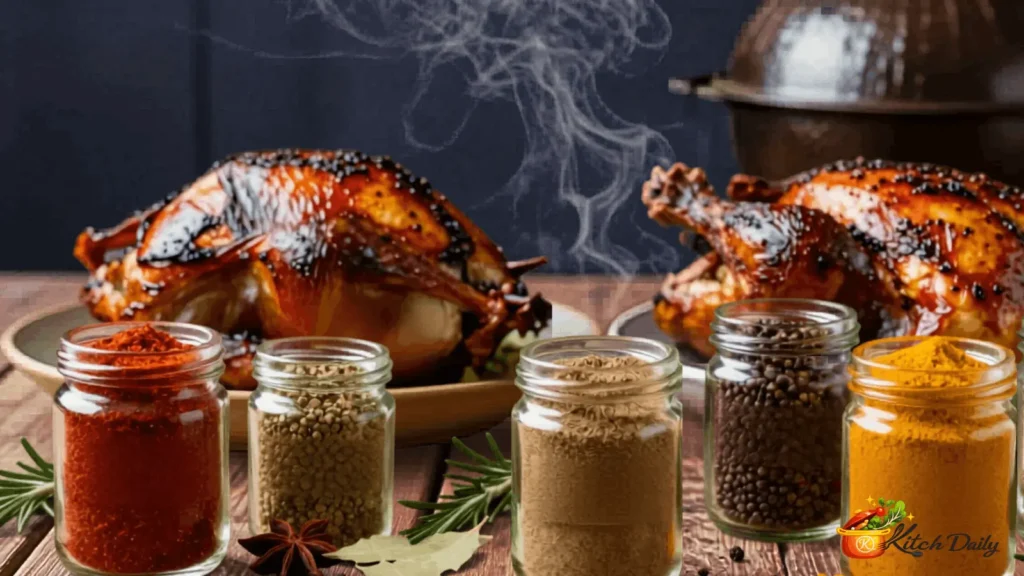
These are some of the best dry rubs for smoked turkey and will help make your turkey taste like it was prepared by a professional chef. Whether you’re planning a holiday feast or a no-frills gathering, this collection of Dry Rub for Smoked Turkey is sure to impress your guests.
Why Dry Rubs Work So Well on Smoked Turkey
The answer is simple: Dry rub is the most important secret that takes a smoked turkey rub from good to great. A well-balanced Homemade BBQ Spice Rub seasons the meat deeply while helping create that beautiful crispy bark.
A strong turkey dry rub is very effective at doing three things:
- Producing a rich, balanced flavor.
- Creating a delicious, aromatic, and crispy bark everyone enjoys.
- Helping retain moisture during extended smoking sessions.
The best part? It does all this without adding extra water like a brine does.
Back in the day, I would brine my turkeys for hours and often overnight. The meat stayed tender and juicy, but it lacked the flavor I was looking for, and the skin never became truly crispy. Since then, I have found that Dry Rubs for Smoked Turkey greatly improve the flavor of the turkey while also creating better bark and crispier skin.
So these days, I use dry rubs. They are easier, quicker, and more flavorful, with a more satisfying texture. For most backyard cooks, they are simply the better option.
Achieving Crispy Skin Without Brining
Most people believe you need to brine a turkey for hours to keep it juicy. I used to think the same.
But after smoking dozens of turkeys, I’ve found that skipping the brine and using a good dry rub actually gives me much better skin. Here’s why:
When you skip the wet brine, the skin stays dry. That dryness helps it render fat properly and crisp up beautifully in the smoker. I simply pat the turkey dry, apply the dry rub generously, and let it sit uncovered in the fridge for at least 4–6 hours (overnight is even better).
The result? Golden, crispy, crackly skin that people fight over.
Creating a Protective Bark
The majority of people think that brining a turkey for hours is necessary to make it juicy. I used to think the same way.
After smoking a couple dozen turkeys, I discovered that I get much better skin when I skip the brine and use a good dry rub instead. Here’s why:
It allows the skin to stay dry because you are not using a wet brine. That dryness helps the fat render properly and creates beautifully crisp, smoky skin. I simply pat the turkey dry, apply the dry rub, and place it uncovered in the refrigerator for at least 4–6 hours (overnight is even better).
The result? Crispy, golden, crackly skin that everyone loves.
| Ingredient Category | Primary Function | Impact on Turkey |
|---|---|---|
| Kosher Salt | Moisture Regulation | Enhances natural juices |
| Brown Sugar | Caramelization | Creates a sweet, dark bark |
| Dried Herbs | Aromatic Depth | Adds earthy, complex notes |
| Chili Powders | Heat and Color | Provides a vibrant, spicy finish |
Once you learn these basics, making a delicious smoked turkey without brine becomes much more easier. You’ll also feel more confident creating your own smoked turkey dry rub recipes.
Essential Tips for Applying Dry Rubs for Smoked Turkey
If you want to use a dry rub for your Smoked Turkey Seasoning, there are a few important things you should know.
- Pat the turkey completely dry with paper towels.
- Use a BBQ rub shaker for even coverage. → Best Rub Shaker on Amazon
- Loosen the skin and season underneath the breast and thighs.
- Massage the rub in well so it sticks.
Do these steps and you’ll get much better flavor and bark. Here are some few tips I always follow to get great results:
Preparing the Turkey Surface for Maximum Adhesion
- Always use a clean, dry surface — this is the key to getting the rub to stick properly.
This is exactly what I do every single time:
- Pat all surfaces of the turkey dry with paper towels (water is the enemy of a good rub).
- Remove any excess fat, loose skin, or silver skin.
- Thoroughly clean out the cavity to ensure even cooking and smoking, and remove the giblets completely.
- Carefully loosen the skin over the breast and thighs so you can apply the rub underneath.
Spices and salt stick much better to a dry, clean turkey and will not slide off or fall into the smoker. It may seem like a small adjustment, but it makes a big difference in flavor.
The Importance of Patting Dry
This is one of the easiest steps you can take that will have the greatest impact.
Moisture is the enemy of a great bark and crispy skin. If the turkey is even slightly moist, the rub will not stick properly, and instead of crisping up, the skin will steam.
What I always do:
Use paper towels to thoroughly dry the turkey on all surfaces — under the wings, between the legs, and inside the cavity. Don’t rush this step. The drier the skin is, the better the rub will stick and the crispier the skin will become.
Techniques for Under-the-Skin Seasoning
Want maximum flavor? Get the dry rub for smoked turkey under the skin as well.
Carefully loosen the skin over the breast and thighs, then apply a generous coat of dry rub underneath. This allows the seasoning to penetrate deeper into the meat.
I also place some rub inside the cavity to add even more flavor from within.
Controlling Salt Content for Crispy Results
Salt is essential, but too much can dry out the turkey.
I keep salt at 25% or less of the total rub mixture. This gives the turkey great seasoning without pulling out too much moisture.
When making your own juicy smoked turkey dry rub, use a moderate amount of salt and add a little extra to the surface later if needed.
| Application Area | Technique | Benefit |
|---|---|---|
| Under the Skin | Rubbing directly on meat | Deep flavor penetration |
| Outer Skin | Patting dry first | Crispy, flavorful bark |
| Cavity | Light dusting | Aromatic infusion |
10 Best Turkey Rub Recipe for Smoked Turkey
Each one is scaled for a 12–15 lb whole turkey (adjust as needed).
General Instructions for All Rubs:
- Mix all ingredients thoroughly in a bowl.
- Pat the turkey dry, rub with a light coat of oil or mustard (optional binder), then apply the rub generously all over (including under the skin if possible).
- Let it sit for at least 1 hour (or overnight in the fridge for best results).
- Smoke at 225–250°F until the internal temperature reaches 165°F in the thickest part.
1. Classic BBQ Dry Rub (Sweet & Smoky)
- ¼ cup brown sugar
- 2 tbsp smoked paprika
- 2 tbsp kosher salt
- 1 tbsp garlic powder
- 1 tbsp onion powder
- 1 tbsp black pepper
- 2 tsp mustard powder
- 1 tsp cayenne (optional)
Flavor: Balanced sweet-smoky BBQ taste with great bark.
2. Herb Garden Turkey Rub (Savory & Aromatic)
- 3 tbsp kosher salt
- 2 tbsp dried thyme
- 2 tbsp dried rosemary
- 1 tbsp dried sage
- 1 tbsp garlic powder
- 1 tbsp onion powder
- 1 tbsp black pepper
- 1 tsp dried oregano
Flavor: Classic Thanksgiving herb profile, fresh and garden-like.
3. Spicy Cajun-Inspired Rub
- 3 tbsp smoked paprika
- 2 tbsp kosher salt
- 1 tbsp garlic powder
- 1 tbsp onion powder
- 2 tsp black pepper
- 2 tsp cayenne pepper
- 1 tsp dried thyme
- 1 tsp oregano
- ½ tsp cumin
Flavor: Bold, spicy kick with smoky heat.
4. Sweet Honey-Style Rub (Mild & Sweet)
- ¼ cup brown sugar
- 2 tbsp kosher salt
- 2 tbsp smoked paprika
- 1 tbsp garlic powder
- 1 tbsp onion powder
- 1 tsp black pepper
- 1 tsp cinnamon (optional for warmth)
- ½ tsp nutmeg
Flavor: Sweet crust that caramelizes beautifully during smoking.
5. Lemon Pepper Herb Rub (Bright & Zesty)
- 3 tbsp kosher salt
- 2 tbsp lemon pepper seasoning
- 1 tbsp garlic powder
- 1 tbsp dried thyme
- 1 tbsp dried rosemary
- 1 tsp smoked paprika
- 1 tsp black pepper
- Zest of 1 lemon (dried, optional)
Flavor: Fresh, citrusy, and peppery – great for lighter taste.
6. Competition-Style Rub (Sweet Heat)
- ¼ cup brown sugar
- 2 tbsp smoked paprika
- 1½ tbsp kosher salt
- 1 tbsp chili powder
- 1 tbsp garlic powder
- 1 tbsp onion powder
- 2 tsp black pepper
- 1 tsp mustard powder
- ½ tsp cayenne
Flavor: Sweet front, spicy finish – popular in competitions.
7. Garlic Herb Butter-Style Rub (Savory Rich)
- 2 tbsp kosher salt
- 2 tbsp garlic powder
- 1 tbsp onion powder
- 1 tbsp dried parsley
- 1 tbsp dried thyme
- 1 tbsp dried sage
- 1 tbsp black pepper
- 1 tsp rosemary
Flavor: Heavy garlic and herb punch, mimics garlic herb butter.
8. Smoky Chipotle Rub (Medium Heat)
- 3 tbsp smoked paprika
- 2 tbsp brown sugar
- 2 tbsp kosher salt
- 1 tbsp chipotle powder (or 2 tsp chili powder + ½ tsp cayenne)
- 1 tbsp garlic powder
- 1 tbsp onion powder
- 1 tsp black pepper
- 1 tsp cumin
Flavor: Deep smoky heat with subtle sweetness.
9. Simple Classic Salt & Pepper Rub (Minimalist)
- ¼ cup kosher salt
- 2 tbsp black pepper (coarsely ground)
- 1 tbsp garlic powder
- 1 tbsp smoked paprika
- 1 tsp dried thyme
- 1 tsp dried sage
Flavor: Clean, lets the natural turkey and smoke shine. Perfect for beginners.
10. Bold Espresso Coffee Rub (Unique & Dark)
- 3 tbsp brown sugar
- 2 tbsp kosher salt
- 1 tbsp smoked paprika
- 1 tbsp garlic powder
- 1 tbsp ground coffee or espresso powder
- 2 tsp black pepper
- 1 tsp chili powder
- 1 tsp onion powder
Flavor: Rich, dark, earthy crust with subtle bitterness that balances the turkey.
My Top 3 Favorite Dry Rubs and Honest Comparison
My search for the perfect flavor led me to three top picks. Choosing the right smoked turkey dry rub is key for great taste and texture. I’ve tested these blends to make sure they work well under different smoking conditions.
After testing all ten, these are my personal winners:
- Classic BBQ – Most versatile
- Herb Garden – Best for holidays
- Competition-Style – Best bark and color
The sweet rubs give better color and crust. Herby ones taste more “Thanksgiving.” Spicy ones wake up the palate but can overpower milder eaters.
Bonus Tips for Crispy Skin and Juicy Meat
- Dry the skin really well — even leave it uncovered in the fridge overnight.
- Start at higher temp (275-300°F) instead of low and slow.
- Use fruit woods (apple, cherry, pecan) for turkey. They’re milder.
- Rest the turkey for at least 30-45 minutes after smoking. Tent it loosely.
- Spatchcock the turkey if you want faster, more even cooking and crispier skin.
Common Mistakes I’ve Learned (So You Don’t Repeat Them)
I once used too little salt and the turkey tasted flat. Another time I smoked at 225°F the whole way and the skin stayed rubbery.
Biggest mistakes:
- Not drying the skin
- Using too little rub
- Forgetting to season under the skin
- Checking the smoker too often and losing heat
Learn from my fails. You’ll thank me later.
Comparative Analysis of Flavor Profiles and Skin Texture
To help you pick the best smoked turkey rub for your next meal, I’ve compared them. Each competition style rub for smoked turkey reacts differently to heat, changing the bark and skin texture.
| Rub Type | Flavor Profile | Skin Texture |
|---|---|---|
| Herb & Garlic | Savory & Earthy | Crispy & Dry |
| Sweet & Smoky | Sweet & Rich | Sticky & Glazed |
| Spicy Cajun | Bold & Piquant | Firm & Textured |
The right choice depends on what you like and what you want your meal to be like. Whether you want a crispy finish or a caramelized bark, these three options are a good starting point.
Adjusting Recipes for Different Smoking Woods
The type of wood you use will greatly affect how your dry rub tastes.
Here’s a quick rule of thumb I always follow:
- Mild woods (apple, cherry, pecan) → Work best with sweet or herby rubs. They provide gentle smoke that allows your spices to stand out.
- Strong woods (hickory, oak, mesquite) → Need bolder rubs. Add stronger spices such as cumin, smoked paprika, garlic powder, or black pepper. These flavors can stand up to heavier smoke.
Wood and rub should complement each other perfectly. This is a simple way to make your smoked turkey taste balanced and look more professional.
My biggest tip for beginners is to start with fruit woods like apple or cherry. They are more forgiving and pair well with almost any dry rub.
Troubleshooting Common Dry Rub Mistakes
Even the best dry rub can go wrong if you make these common mistakes. I’ve made most of them myself — here’s how to avoid them.
Preventing Burnt Spices During Long Smokes
High-sugar rubs and delicate herbs can burn and turn bitter during long smokes.
Quick fixes:
- Apply sugar-heavy rubs only in the last 1–1.5 hours.
- Keep smoker temperature between 225–250°F (107–121°C).
- Avoid high heat early on.
Pro tip: A good digital thermometer takes the guesswork out of this. → Best Wireless Meat Thermometer on Amazon
This gives you a nice dark bark instead of a burnt taste.
Avoiding Over-Salting Your Turkey
Too much salt dries out the meat and makes it overly salty.
My tips:
- Use kosher salt (it’s harder to overdo).
- Keep salt at 25% or less of the total rub.
- If you brined the turkey, cut the salt in half.
- Always taste your rub before using.
Ensuring Even Distribution on Large Turkeys
Big birds are easy to miss spots on.
Do this:
- Use a shaker bottle for even coverage.
- Lift the skin and season underneath the breast and thighs.
- Massage the rub in well with your hands.
Take time on this step — it makes every bite taste great.
| Common Issue | Primary Cause | Recommended Fix |
|---|---|---|
| Burnt Exterior | Excessive Sugar | Apply sugar rubs late |
| Over-Salting | High Salt Ratio | Use Kosher salt only |
| Uneven Flavor | Poor Application | Use a shaker bottle |
| Dry Texture | Low Moisture | Monitor internal temp |
My Final Verdict
You now have 10 different dry rubs for smoked turkey, along with all the tips you need to create crispy skin, excellent bark, and juicy turkey meat!
Whether you’re preparing a holiday feast or a backyard barbecue, you can feel confident choosing your favorite rub or even creating your own. From sweet and spicy to savory and herby, there’s a perfect rub for every occasion — whether it’s a holiday dinner or a casual weekend cookout.
The simple secret is this: choose a rub, apply it properly, pair it with the right wood, and let your smoker do the rest.
Now it’s your turn!
Light the fire and try one (or more) of these recipes to make an unforgettable smoked turkey. If you do, come back and let me know in the comments which one you tried and how it turned out. I’d really love to hear your results and any variations you made along the way.
Make your next turkey memorable. Get smoking!
If you love bold flavors, you should also try my Cava Grilled Chicken Recipe. It uses a similar seasoning style but is perfect for the grill — it’s one of my most popular recipes!
If you love bold, smoky flavors and enjoy creating your own rubs, you should also check out my Beef Brisket Pastrami recipe. It’s similar to a dry rub, but it gives you that classic pastrami flavor right from your smoker.
FAQ
1. How much dry rub should I use on a whole turkey?
A whole turkey weighing 12 to 15 pounds requires ½ to ¾ cup of dry brine, which must be fully applied to easy-to-overlook areas such as under the skin and inside the turkey’s cavity to form an even coating.
2. What is the resting time: before smoking?
The turkey must rest for a minimum of 4 to 6 hours, and chilling it in the refrigerator for 12 to 24 hours yields the best flavor and smoked crust performance
3. Can I make these dry rubs in advance?
Yes! After being sealed and stored in a cool, dry place, they can be kept for a maximum of 3 months.
4. If I use a dry rub, do I still need to brine the turkey?
There is no need for that at all. I prefer this method, which delivers a crispy skin and rich, full-bodied meat flavor; the only step required is to pat the turkey’s surface completely dry beforehand.
5. what type of wood to use to smoke a turkey seasoned with this dry rub?
I prefer fruitwoods such as applewood and cherrywood; their smoke is lightly sweet, mild, and highly versatile. For a richer, more robust flavor, choose hickory wood
6. Can I use these dry rubs on other meats?
Absolutely! This same dry rub can also be used to prepare chicken, pork shoulder, spare ribs, and beef brisket, but the amount of salt added must be adjusted according to the type of meat used.
7. Why the skin of smoke-roasted foods fails to set properly?
This issue is most often caused by excess moisture on the skin, excessively high grill temperatures, or insufficient sugar and salt in the marinade. Controlling the grill temperature at 225–250°F and patting dry the moisture on the turkey’s skin can improve this problem.
8. Why all dry rubs tend to be overly spicy?
Some are, some aren’t. Reducing the amount of cayenne pepper and chili powder can lower the spice level.