The Best Homemade BBQ Spice Rub with Simple Ingredients

Mastering grilling starts long before you light the charcoal. In my opinion, the real secret to achieving that amazing restaurant-quality BBQ flavor is a good homemade BBQ Spice Rub.
I’ve been making my own BBQ dry rub for years, and it makes a huge difference. This homemade bbq rub recipe uses just a few common spices already sitting in your kitchen, so it’s easy to build a blend that beats anything you can buy at the store. Whether you call it a homemade bbq rub, a dry rub, or a house-made meat rub, it’s really just your own mix of salt, sugar, and spice. What I love most is that it’s completely under my control. You can make it spicy, sweet, or perfectly balanced, just the way you like.
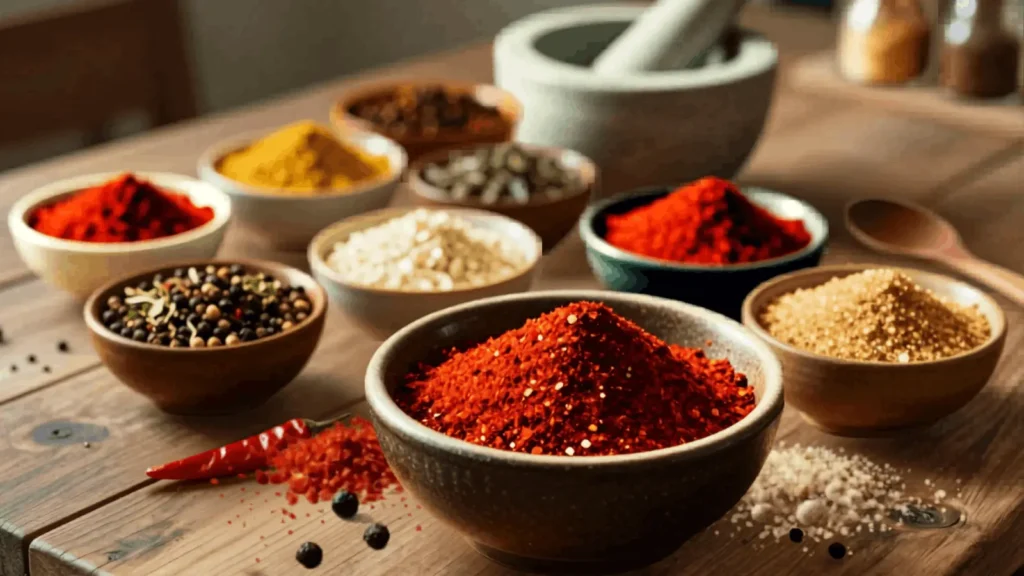
In this guide, I’ll share with you which ingredients I use, how much I mix, and some little tricks that take barbecue flavor to a whole new level. I’ll also show you how I properly store my homemade BBQ seasoning, plus what I’ve learned after making this bbq rub recipe.
- Key Takeaways
- What Is a BBQ Spice Rub u0026 Why Homemade Is So Much Better
- Essential Ingredients for BBQ Spice Rub
- Why Paprika Matters in Your Seasoning Blend
- The Sweet vs Spicy BBQ Rubs Debate is here!
- Choosing the best sugar for BBQ rubs
- Optional Ingredients to Elevate Your Blend
- A step-by-Step method for making your own BBQ Spice Rub
- The Best BBQ Seasoning Rubs for Smoking – Application Tips
- How to Store BBQ Rub for Maximum Freshness
- Conclusion
- FAQ
Key Takeaways
- Custom blends offer better flavor control than pre-packaged options.
- Pantry staples are sufficient for creating high-quality seasoning.
- Balancing salt, sugar, and heat is the foundation of great flavor.
- Homemade mixtures save money while reducing unnecessary additives.
- Consistent application techniques improve the final texture of your meat.
What Is a BBQ Spice Rub & Why Homemade Is So Much Better
A good BBQ spice rub can completely transform the flavor of a piece of meat. Every pitmaster knows that. But what exactly is this BBQ spice rub?
It’s simply a carefully balanced mix of salt, sugar, spices, and herbs that you apply directly to raw meat. Unlike marinades that can take hours (or even days), a good dry rub starts working almost immediately and builds incredible flavor as it cooks.
I started making my own homemade spice rub years ago, and I’ve never gone back to store-bought. The difference in taste is huge, plus you save money and can customize it exactly to your preference. If you’ve ever searched for a simple bbq seasoning recipe that actually tastes like something a pitmaster would make, this is it.
What Is a Dry Rub?
The dry rub technique is exactly what it sounds like: coating meat with your homemade BBQ seasonings before grilling or smoking.
Because there’s no liquid, the flavors stay concentrated and create a beautiful, flavorful crust (called “bark”) as the meat cooks. I always press the rub firmly into the meat so it sticks well during the entire cooking process.
This method works amazingly well on almost everything: brisket, ribs, chicken, beef, pork shoulder, and even vegetables.
The Science Behind Why Rubs Work So Well
Here’s the cool part. It’s actually pretty simple science.
When you put the rub on the meat, the salt pulls moisture out to the surface. That moisture then mixes with all the spices and gets sucked back into the meat, carrying flavor deep inside. It’s like the meat is seasoning itself from within.
Then, when you start cooking, the sugar in the rub caramelizes and creates that dark, crispy, tasty “bark” we all love. At the same time, the spices wake up and release their amazing aromas.
That’s the magic. A little science plus good seasoning turns a regular piece of meat into something seriously delicious.
Here’s what each part of the rub does:
| Component | Primary Function | Flavor Impact |
|---|---|---|
| Salt | Moisture regulation | Enhances natural meat juices |
| Sugar | Caramelization | Adds sweetness and dark bark |
| Paprika | Color and base | Provides mild, earthy undertones |
| Pepper | Heat and bite | Adds a sharp, spicy finish |
Learning these basics lets you try your own all purpose bbq rub recipes. Knowing how these elements work helps you adjust your seasoning for any meat.
Essential Ingredients for BBQ Spice Rub
Let me show you the real foundation of a great BBQ spice rub.
The fun part is, it doesn’t require any fancy or hard-to-find ingredients. In fact, the best homemade BBQ spice rubs are made with simple ingredients, most of which you probably already have in your kitchen.
And once you understand what each ingredient does, it becomes much easier to balance flavors to your liking and create the perfect spice mix.
The Salt Foundation
Let’s start with the BBQ rub staple: salt.
Salt is the most important of all bbq rub ingredients. It doesn’t just make food salty, it does so much more. It draws a bit of moisture out of the meat, which later during cooking helps form that amazing crispy, flavorful crust we all love. You could also call it a flavor booster, because it helps carry spices deep into the meat.
I always recommend using kosher salt because its flakes are a bit larger and much easier to spread evenly on meat. It adheres well, and there’s less chance of it becoming overly salty.
As the famous Pitmaster says:
“Salt is the most important ingredient in any BBQ rub, because it acts as a flavor enhancer and helps the meat’s aroma penetrate deep into the flavor.”
The Role of Pepper and Aromatics
Once the salt base is ready, it’s time to build the real flavor.
I start with black pepper because it brings out the flavor of fatty meats like brisket or pork shoulder even better. Then I add garlic powder and onion powder. These two deliver a kind of deep, rich flavor that lingers on the palate.
Everything comes together to create a perfectly balanced rub that helps form that delicious bark and delivers an authentic, original barbecue flavor. The best part is that it’s completely customizable. If you want a spicier flavor, just add more pepper, and if you prefer it milder, reduce it a bit.
| Ingredient | Primary Function | Flavor Profile |
|---|---|---|
| Kosher Salt | Flavor Enhancement | Salty/Savory |
| Black Pepper | Heat/Texture | Sharp/Pungent |
| Garlic Powder | Aromatic Depth | Umami/Sweet |
| Onion Powder | Complexity | Savory/Mellow |
Why Paprika Matters in Your Seasoning Blend
Let me share a little secret. One of those ingredients that can make your BBQ spice rub look and taste like a pro chef made it is paprika. It’s not only about adding beautiful color to your meat, but also a mild sweet flavor that complements the savory and spicy notes. That’s why almost any great BBQ seasoning blend contains paprika. Paprika is a key ingredient for grilled meats, adding both color and flavor. It’s the base of most BBQ seasoning blends, and it balances savory and sweet tastes perfectly.
Sweet Paprika vs. Smoked Paprika
Paprika is seriously one of the most important ingredients in a good BBQ spice rub. It gives you that beautiful color and a touch of mild sweetness. It helps create that deep, mahogany bark that every BBQ lover dreams of.
I’ve tested this rub on brisket, chicken wings, and pork ribs. Paprika always delivers the best-looking bark while adding a nice subtle smoky depth. It just works perfectly every time.
Which one is right for you, then?
- Sweet Paprika is the product of mild peppers. It is bright and fruity, and brings a nice shade of red to a dish, but not too prominent of a color so as to mask the other spices.
- Smoked Paprika (otherwise known as pimentón) is smoked over the fire of oak making it have a deep smoky flavor, much like off the barbecue.
My personal recommendation? Use a mix of both. The sweet paprika adds the brightness and color, and the smoked paprika adds the depth of smoky flavor. Together they form the ideal combination for a perfect bbq seasoning blend.
| Paprika Type | Flavor Profile | Best Use Case |
|---|---|---|
| Sweet | Mild and fruity | General purpose rubs |
| Smoked | Intense and woody | Brisket and pork |
| Hot | Spicy and sharp | Adding heat to blends |
Enhancing Color and Depth
Paprika makes meats look great, with a vibrant mahogany color. It creates a beautiful bark. This shows the meat was cooked with care.
“The secret to a great rub is not just the heat, but the layers of color and aroma that build during the long cook.”
– Anonymous Pitmaster
Adding paprika to your bbq seasoning blend brings depth. It’s more than just salt and pepper. It binds other aromatics, making each bite rich and complex.
The Sweet vs Spicy BBQ Rubs Debate is here!
When creating your own BBQ spice rub, one of the most important questions you’ll ask yourself is: sweet or spicy? Or can you have both? It’s a point of debate for BBQ enthusiasts that continues. Some prefer a sweet and smoky flavor, and others go for the kick of heat. The good news is you don’t need to choose only one. With a little know-how, you can develop a rub that balances both.
Balancing Heat Profiles
Everyone who enjoys a “dry rub for brisket” BBQ style knows you need to apply heat to the meat, but not so much that it overpowers everything. You’re looking for heat that makes you want more, more food, not more water. Use a bit of cayenne or chili powder, then balance it with black pepper or mustard powder.
If it’s too spicy, add more garlic or onion powder to soothe it. A rule of thumb: when trying a new seasoning, always test it on a small piece of meat before applying it to a large one.
Developing Sweetness and Smokiness.
You need the perfect combination of sugar and smoked spices for a delicious BBQ rub.
One of your best friends here is brown sugar. It makes that beautiful, sticky bark. This combination with smoked paprika adds a lovely hue and a great smoky taste.
When these two work together, they turn the natural richness of the meat into something seriously addictive. This style is particularly great for pork and chicken.
| Flavor Element | Primary Ingredient | Desired Effect |
|---|---|---|
| Heat | Cayenne Pepper | Adds a sharp, lingering kick |
| Sweetness | Brown Sugar | Promotes caramelization and bark |
| Smokiness | Smoked Paprika | Provides depth and earthy aroma |
| Savory | Garlic Powder | Balances the overall profile |
Choosing the best sugar for BBQ rubs
Let’s talk about an ingredient that makes a significant difference in your BBQ spice rub: sugar.
Salt is the backbone while sugar is the accent that adds balance, depth, and the gorgeous caramelized bark we all want. Finding the Best Sugar for BBQ Rubs is important. The quality of your homemade rub can go from good to addictive, depending on the sugar you use.
Brown Sugar vs. White Sugar
Here it is broken down to the basics:
Brown Sugar is what I use for the majority of my BBQ rubs. It’s made with molasses, giving it a more mellow, dark taste and a bit of a sticky feel. This helps the rub cling to the meat and gives it a lovely color when cooked.
White Sugar is very refined and super sweet, but lacks depth and color. However, it caramelizes quite nicely and is exceptionally good for building bark.
- Brown sugar: Adds moisture, deep color, and a hint of molasses.
- White sugar: Provides a neutral sweetness and helps with even browning.
- Turbinado sugar: A great middle-ground option with a coarse texture for a crunchier finish.
My recommendation? Use mostly brown sugar and add a small amount of white sugar if you want extra sweetness and caramelization. A combination of both typically gives you the best of both worlds: rich flavor and perfect bark.
| Sugar Type | Flavor Profile | Texture |
|---|---|---|
| Brown | Rich, Molasses | Moist, Clumpy |
| White | Neutral, Sweet | Dry, Granular |
| Turbinado | Caramel, Toffee | Coarse, Crunchy |
The Caramelization Process During Cooking
Let me tell you something that will take your BBQ game to another level: caramelization!
As the temperature increases, the sugars in the rub begin to melt and eventually change, as soon as the rubbed meat hits the grill or smoker. This is what produces that dark, flavorful, crispy “bark” every BBQ enthusiast dreams about.
But here’s the important part: the sugar will burn off rapidly if the heat is too hot, resulting in a bitter flavor. So you should cook at a slow, low heat. This allows the sugars to build over time and create a beautiful, sticky sweet crust. When done properly, the sticky bark protects against moisture loss and boosts the flavor of every bite.
Optional Ingredients to Elevate Your Blend
The fun part is that it’s time to create a BBQ spice rub that is truly your own. The basic recipe includes salt, pepper, sugar, and paprika, but you can add optional ingredients to get creative and take your rub to the next level. These bbq rub ingredients turn a basic rub into a masterpiece.
Adding Umami with Dried Herbs
The best and easiest way to give your rub a rich, savory flavor is to add umami with dried herbs. My favorites are garlic powder, onion powder, dried oregano, thyme, or mustard powder. They bring depth, richness, and long-lasting flavor that complements the sweetness and heat perfectly. These herbs also enhance the natural taste of the meat and tie it in with the smoky flavor from the grill.
Try these dried herbs in your next batch:
- Thyme: It’s earthy and floral, great with pork.
- Oregano: It’s bitter and pungent, perfect for fatty beef.
- Rosemary: It has a piney aroma, ideal for high-heat grilling.
Add the secret ingredients for extra complexity!
Looking to add a special touch to your rub? Add a few “secret” bbq rub ingredients.
The two I like most are coffee (ground espresso) and unsweetened cocoa powder.
Just a few granules of espresso powder give a roasted, bitter taste that goes great with brisket and beef. Spicy rubs become more complex and sophisticated with cocoa powder.
These secret BBQ rub ingredients will darken your blend and give your BBQ a bark like a professional.
Pro tip: start with small amounts (½ teaspoon at a time) and taste along the way. You want them to enhance the flavor, not overpower it.
A step-by-Step method for making your own BBQ Spice Rub
Honestly, it’s quite simple to figure out how to make bbq rub at home, and there’s a bit more satisfaction than buying it ready-made. Once you know how to make bbq seasoning this way, you can confidently take control of the flavor and customize it to your taste. This is the exact bbq spice recipe method I use every single time.
Measuring and Combining Ingredients
Here’s the first step, and it’s an easy one.
Take a clean, dry bowl and collect all your spices. After that, use the correct measuring spoons. This is crucial, because it’s what makes a great homemade BBQ spice rub taste the same every time you make it.
Place all the ingredients (salt, sugar, paprika, black pepper, and anything else you choose to use) in the bowl. Now thoroughly whisk or mix them with a fork. Don’t rush breaking up clumps, particularly the brown sugar. No one wants little sweet pockets in their rub.
Stir until everything is completely blended and smells fabulous. If it’s well mixed, you can be sure every bite of meat will be equally flavorful.
Ensuring Even Distribution
Now that the rub is mixed, applying it properly is just as important if you want great results.
First, dry your meat thoroughly using a paper towel. This ensures there’s no excess moisture left to make the rub slide off, so the rub sticks properly.
After that, evenly sprinkle your BBQ spice rub from about 8 to 10 inches above the meat. This is very easy to do with a shaker bottle and gives even coverage.
After applying it, press the seasoning into the meat using your hands. This helps it adhere throughout the cook and gives you much better flavor and bark.
The Best BBQ Seasoning Rubs for Smoking – Application Tips
It isn’t only about getting great results with the rub, it’s also about knowing how to apply it to different cuts of meat. Here’s how I use my homemade BBQ rub for smoking meat on the 5 most popular cuts:
The instructions below are for use on Brisket and Beef
A good rub is essential on brisket and big beef cuts. These types of meat need a good dose of seasoning. Press the rub into the meat well so it won’t fall off during an extended cooking time.
Strong, coarsely ground spices, such as a good amount of black pepper and kosher salt, work best for beef. Leave the rub on the meat for a minimum of 30 minutes, and preferably 60 minutes or more, so it can work into the meat for the best flavor. For maximum flavor, let the rub sit for 30 to 60 minutes, or overnight in the refrigerator. This gives the salt and spices time to do their magic with the juices of the meat.
Tips for seasoning ribs and chicken for best results
When cooking ribs, you want a good balance of flavor without going too spicy, while for chicken, you should keep it just enough.
When seasoning ribs, apply the same amount of salt to both sides. This way, each bite will taste like a punch.
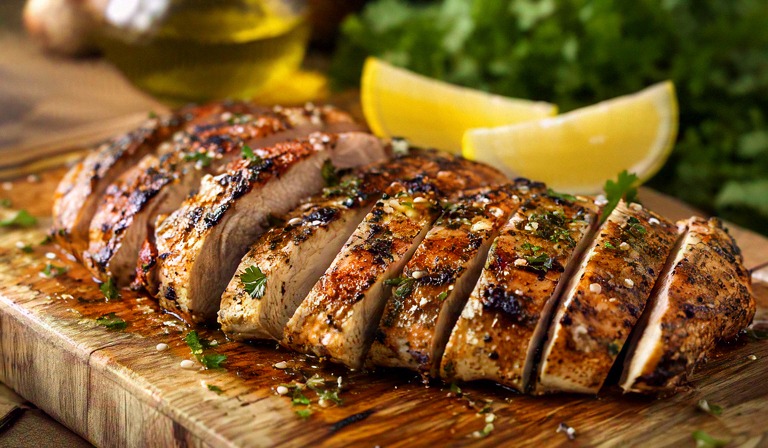
When seasoning chicken, go gentle to keep the meat tender. If cooking whole birds, season under the skin too. This keeps the meat juicy and the skin crispy.
Pro tip: this homemade BBQ spice rub pairs amazingly well with grilled chicken. If you want a complete recipe, check out my Cava Grilled Chicken Recipe, it’s one of my favorites.
How to Store BBQ Rub for Maximum Freshness
Glass jars filled with vibrant homemade BBQ spice rub ingredients including red chili flakes, yellow mustard seeds, and mixed spices on a shelf, labeled
Once you’ve made a big batch of your homemade barbecue seasoning, you need to make sure it stays fresh for as long as possible. Good storage is the key to saving a lot of money, since you can double or triple this bbq rub recipe and keep the extra on hand for months.
Choosing the Right Containers
The best way is to keep your rub in air-tight glass bottles with a good fitting lid. Glass is the ideal material for this, since it won’t absorb any scents or become stained the way plastic does.
Store jars in a cool, dark area, not in the stove, oven, or direct sunlight. The flavor fades quickly in the presence of heat and light. If the jars are clear, simply place them in a pantry or closed cabinet.
Managing Shelf Life and Moisture Control
The number one enemy of any homemade spice mixture is moisture. It causes clumping and reduces the punch of the rub.
A useful tip is to place a food-grade silica gel packet in the jar. It absorbs excess moisture without doing any harm. Also, never pour the jar directly onto a hot grill. Steam can creep in and spoil the whole batch. Instead, pour a bit into a small bowl first.
Stored properly, your homemade BBQ spice rub can last three to six months.
My Honest Experience Making This BBQ Rub
I’ve made this bbq rub recipe so many times now, it’s just part of my regular grilling routine. Every batch teaches me something new. The first time I really put it to the test, I used it across three recipes: my Beef Brisket Pastrami, Smoked Tomahawk Steak, and Boneless Chicken Thighs. The result was amazing on all three. Every ingredient is easy to grab at a local grocery store, so there’s really no excuse not to mix up a batch and start using it in your own recipes. My mom took one bite and said it reminded her of chaat masala, that same savory, tangy kick.
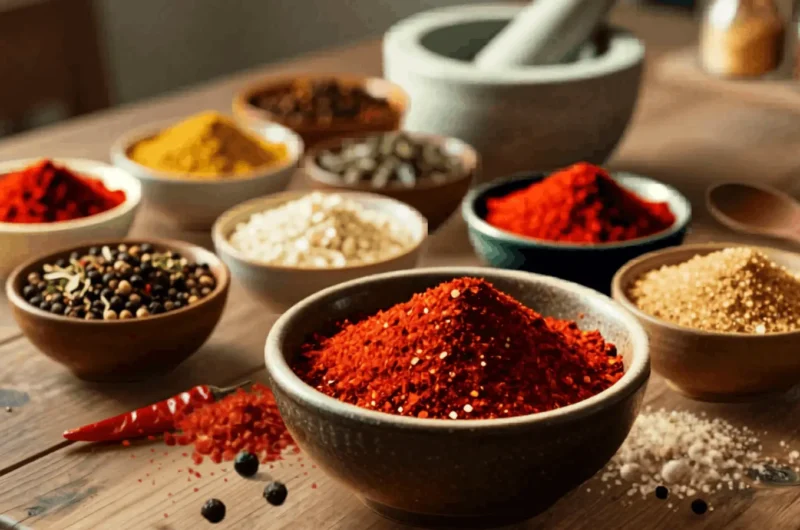
How to Mix the Perfect BBQ Spice Rub with Simple Ingredients
Course: SeasoningCuisine: BBQDifficulty: Easy16
servings10
minutes10
minutes18 calories per tablespoon
kcal1 cup BBQ rub
CupThis homemade BBQ spice rub is sweet, smoky, savory, and slightly spicy. It works perfectly on ribs, brisket, chicken, pork, steak, and smoked meats. Made with simple pantry spices, this easy BBQ seasoning blend adds rich barbecue flavor to grilling and smoking recipes.
Ingredients
1/4 cup brown sugar
2 tablespoons smoked paprika
1 tablespoon paprika
1 tablespoon garlic powder
1 tablespoon onion powder
1 tablespoon kosher salt
2 teaspoons black pepper
2 teaspoons chili powder
1 teaspoon ground mustard
1 teaspoon cayenne pepper (optional for heat)
1 teaspoon dried oregano
1 teaspoon cumin
Directions
- Step 1: Combine the Ingredients
Add all spices and seasonings to a medium mixing bowl. - Step 2: Mix Thoroughly
Whisk everything together until the color and texture look evenly blended. - Step 3: Break Up Clumps
Use a spoon or your fingers to break apart any brown sugar lumps for a smooth seasoning mix. - Step 4: Taste and Adjust
Taste a small pinch and adjust the salt, sweetness, or spice level to your preference. - Step 5: Store Properly
Transfer the BBQ spice rub to an airtight spice jar or container. Store in a cool, dry place for up to 6 months.
Notes
- For best flavor, use smoked paprika instead of regular paprika to add a deep smoky taste.
- Adjust the brown sugar based on your preference—more for sweeter BBQ, less for a savory rub.
- Let the rub sit on meat for at least 30 minutes, or overnight for deeper flavor.
- Always apply rub evenly and press it into the meat so it sticks well.
- Store in an airtight container to keep spices fresh and flavorful for up to 6 months.
- For a finer texture, you can grind the spices slightly before mixing.
- If the rub clumps, break it up using a spoon or sift it before storing.
- This rub works best for grilling, smoking, roasting, and baking meats.
- You can customize heat by adjusting cayenne pepper or chili powder.
- Double or triple the recipe for meal prep or bulk BBQ cooking.
Conclusion
Creating a spice rub for barbecue and smoking is one of the easiest ways to take your barbecue and smoking to the next level. Now you know what the ingredients are, you understand how to balance sweet and spicy flavors, what the appropriate application of rub is, and how to make it last.
The best part? You’re in complete control. Make it sweeter, spicier or more smoky, whatever you prefer. No more drab store bought rubs!
So try out your very first bbq seasoning recipe batch today! Use it on ribs, brisket, chicken or on whatever else you’re preparing. Once you begin making your own, you will never again think about stopping.
If you have a favorite meat, write me a comment below and let me know what it is! Do you have any secret recipes you use or enjoy to add in? I would love to hear your renditions of it!
This homemade BBQ spice rub is fantastic on almost anything — especially grilled chicken. Try it with my Cava Grilled Chicken Recipe for a complete meal
FAQs about BBQ Spice Rub
How do I use this homemade BBQ spice rub?
Apply the rub generously on your meat. For ribs, coat both sides before smoking. Season chicken all over before grilling. For brisket or pork shoulder, use a thick layer and press it in well. You can even sprinkle it on steaks or use it as a dry seasoning for roasted vegetables.
How long should the rub sit on the meat before cooking?
For the best flavor, let the rub sit on the meat for at least 30 minutes. If you have time, 1 to 2 hours (or even overnight in the fridge) is even better, especially for bigger cuts like brisket.
Do I need to apply this rub to all surfaces?
Yes, this all-purpose BBQ rub is very versatile. It’s delicious on ribs, brisket, pork shoulder, chicken, steak, and even vegetables. Just use your hands to adjust the amount depending on which type of meat you’re working with, heavier on fatty cuts and lighter on lean cuts.
Applying Rubs to Brisket and Beef
Big beef cuts and brisket like plenty of seasoning. Cover completely, rub the meat evenly, and press it in firmly before the slow cooking begins.
This is a wonderful homemade BBQ rub for brisket. For an extra special touch, check out my Beef Brisket Pastrami Recipe! This is so amazing because the rub plus the curing and smoking style makes it taste like real pastrami.
How can I make the rub sweeter or spicier?
- For a sweeter BBQ rub: mix in an extra tablespoon of brown sugar and a pinch of cinnamon.
- To add more kick: add more cayenne pepper and chili powder.
- To make a Texas-style rub: use more black pepper and coarse salt, and skip the sugar.
What makes a best BBQ rub? Any pro tips?
Yes! These are my best tips:
- Use smoked paprika for deeper smoky flavor
- Brown sugar helps create that beautiful caramelized bark
- Always pat the meat dry before applying the rub
- Mix your spices thoroughly for even flavor
- Store the rub properly in an airtight glass jar
What meats work best with this BBQ spice rub?
This rub is very forgiving and works excellently as a house-made meat rub for:
- Brisket & beef
- Pork ribs & pork shoulder
- Chicken (whole, pieces, or wings)
- Steak
- Even roasted vegetables
What’s the best spice rub for a beginner to try first?
If you’re new to making your own seasoning, this recipe is the best spice rub to start with, because it uses pantry basics and is nearly impossible to mess up. Start with the base recipe exactly as written, taste it, then adjust the sugar or heat on your next batch once you know what you like.
How do you make bbq seasoning from scratch?
To make bbq seasoning from scratch, whisk together salt, brown sugar, paprika, black pepper, garlic powder, onion powder, and chili powder in a bowl until fully combined. That’s really all a barbecue spice recipe needs. Store it in an airtight jar and it’s ready whenever you’re ready to grill.